5 Signs To Replace a Residential Water Filter
Research shows that Iowa's lakes, rivers, and streams are significantly polluted, which puts the public at risk of waterborne diseases. Therefore, Iowan homeowners need water filters to prevent contamination. However, although quality filters purify water satisfactorily, they lose their effectiveness over time. Eventually, you will need to change even the best water filter to ensure the water in your home is clean and pure.
Some homeowners do not know when to replace their water filters. In particular, they cannot identify symptoms of a failing or inefficient filter, which increases the risk of consuming contaminated water. This blog highlights five signs to replace a water filter.
1. Reduced Water Pressure
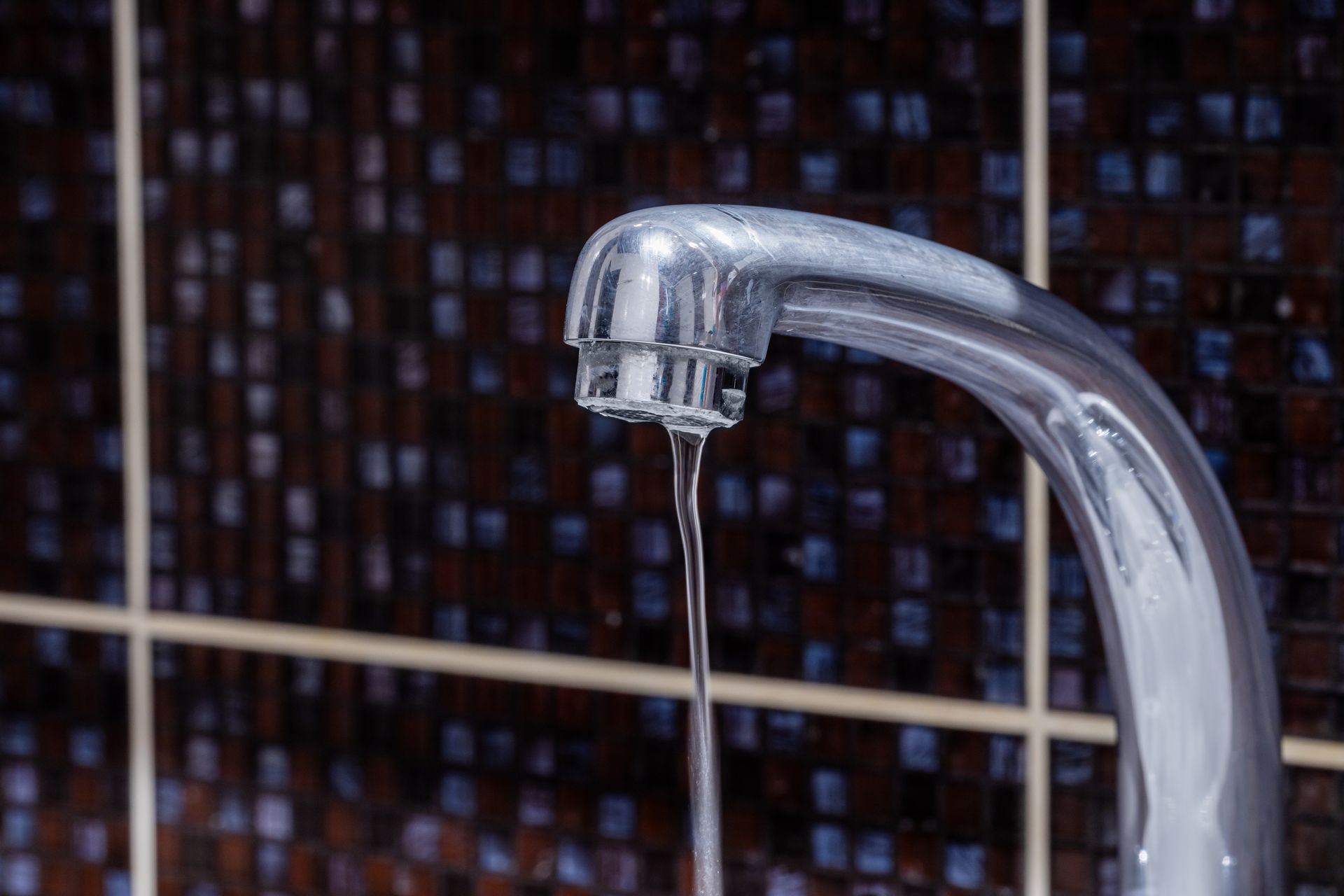
Water filters trap impurities and contaminants during purification, allowing clean, fresh water through faucets. Typically, the openings on new filters allow unrestricted flow, which maintains constant water pressure. However, the pressure reduces over time as trapped sand, grit, minerals, and other debris clog the device.
Call a service provider when you notice a drop in the faucet flow rate. A contractor will inspect your entire plumbing system to ascertain the low pressure source. Since accumulated debris affects water pressure and purification efficacy, homeowners should replace affected filters.
2. Strange Water Taste
Various factors, including the source, affect water taste. However, purified water is relatively tasteless since the process eliminates contaminants and other elements that influence taste. However, a faulty or failing filter affects water quality and taste by allowing impurities.
Contact a plumbing contractor when drinking water from your faucet starts tasting strange. In particular, watch out for a metallic taste, which is usually caused by minerals that pass through the water filtration membrane. Fortunately, you should be able to easily notice an awkward taste if you have been using a water filter for long since the difference is distinct.
3. Cloudy Water
Filtered water is clear and colorless due to the absence of impurities. Therefore, cloudy water could signal a failing filtration system, which a plumber should inspect. High levels of dissolved calcium and magnesium typically cause cloudiness in faucet water as a filter membrane wears.
A homeowner should be wary of a milky water appearance that does not clear after a few minutes since it suggests unfiltered minerals and contaminants. Therefore, contact a contractor to examine and replace the filtration device and clear possible minerals buildup in plumbing pipes.
4. Warning Lights
Some modern water filters can alert a homeowner about a malfunction. Typically, the devices feature warning lights that come on when something is wrong, for instance, when the filtration membrane wears out, or power becomes unstable.
Homeowners should refer to a manual to understand the meaning of various warning lights or risk consuming contaminated water. A service provider can also provide basic training during installation or repairs so that you call them promptly when a problem arises. Homeowners should also contact an expert if warning lights fail to remain vigilant regarding water filter performance.
5. Limescale Buildup on Faucets
A water filter eliminates dissolved minerals, including calcium carbonate. Although consuming water with high levels of calcium carbonate is harmless, the mineral affects plumbing. Typically, the calcium carbonate, or limescale, builds up in the piping and affects water flow over time.
Call a plumber to inspect a water filter when you see a hard, chalky white deposit on faucets. The problem usually occurs in the pipework beyond a failing water filter installation point since the membrane does not extract minerals, including calcium carbonate. Therefore, timely examination and water filtration system replacement can save homeowners from replacing damaged pipework.
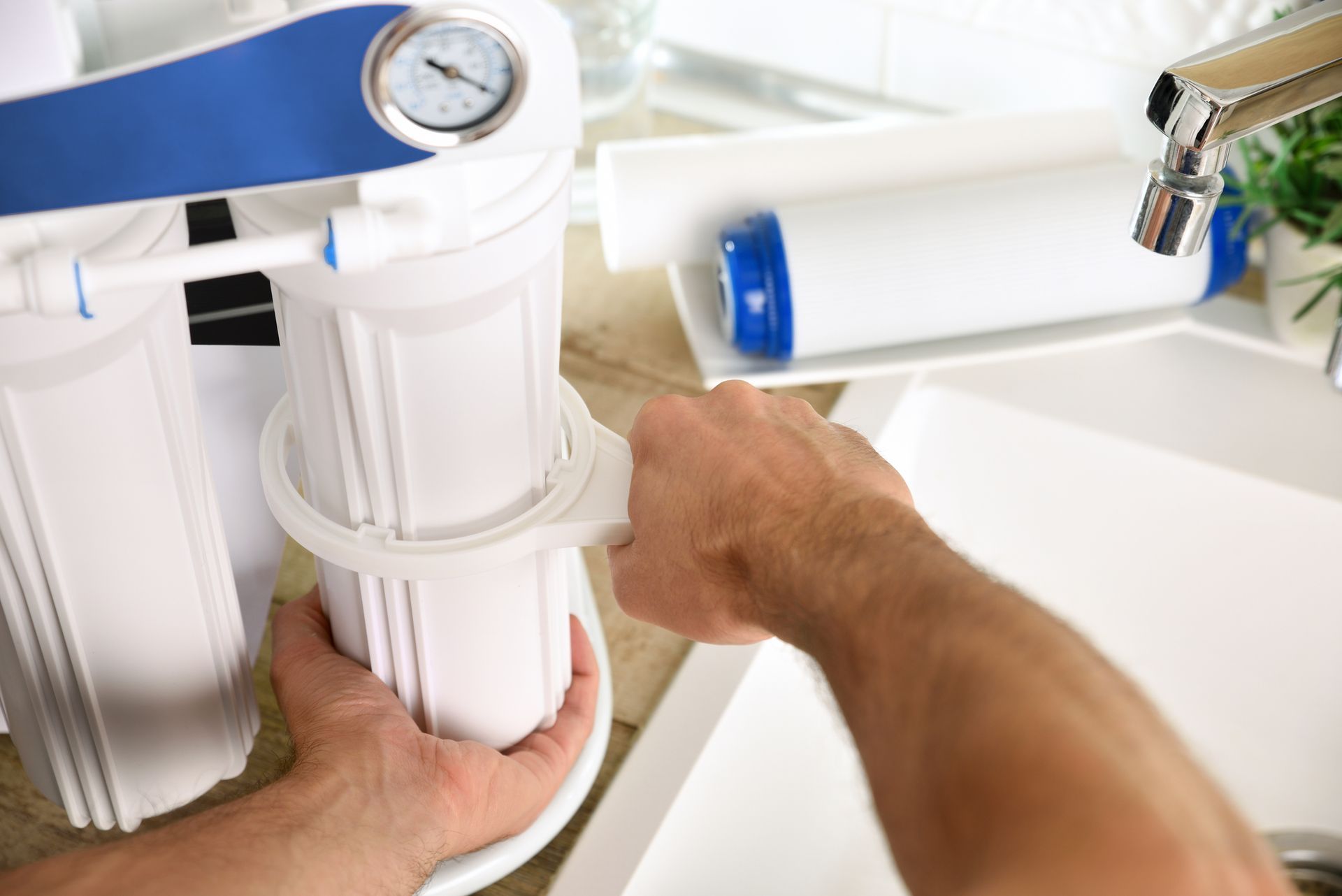
A water filter guarantees clean drinking water—timely filter replacement is vital for good health. Contact us for prompt repair or replacement of a faulty water filtration system.