How To Improve the Taste and Quality of Your Well Water
For many homeowners, having access to a private well can be a significant advantage, offering a more natural, self-sufficient, and cost-effective way of sourcing water.
However, well water can sometimes carry a distinct flavor or odor that might seem off-putting. The quality of well water is not always constant and can be affected by various factors such as environmental changes, contamination, or mineral imbalance.
Fortunately, there are numerous ways to improve both the taste and quality of your well water. This blog post will guide you through practical and effective methods to ensure your well water is not just safe for consumption but also pleasant to drink.
Test Your Well Water
Well water is prone to changes in its chemical composition and can sometimes become contaminated. These contaminants can affect the water in many ways, including its taste and odor. For example, an increase in iron can result in a metallic taste, while high levels of sulfates can give water a salty flavor.
A professional analysis can help you detect any mineral imbalances that may be present in the water, its pH level, and the presence of any contaminants. While you can do this yourself using a home water testing kit, it's better to get it tested by a professional for a more accurate result.
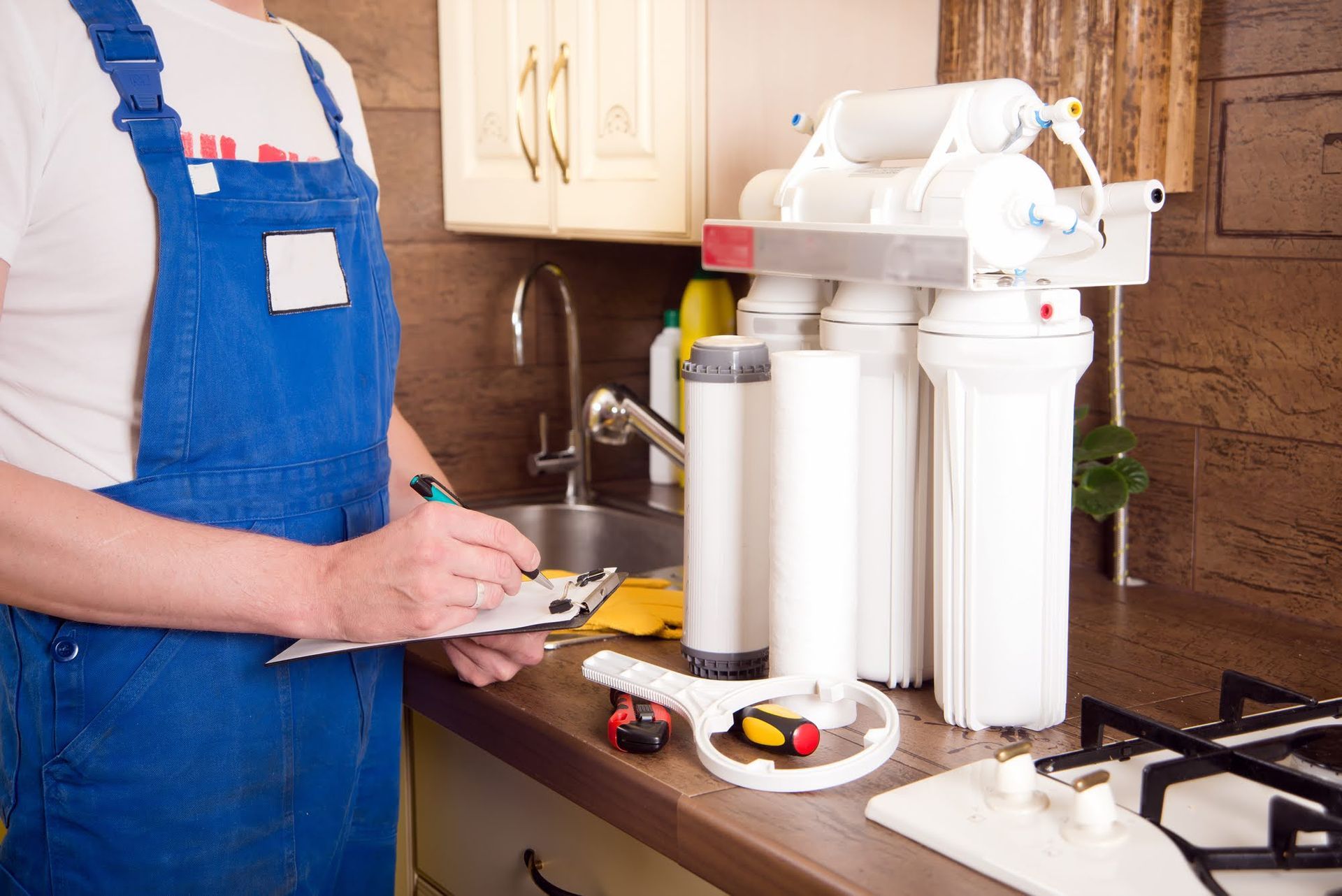
These professionals use advanced equipment and techniques to provide a more detailed analysis that you might not be able to do on your own. Based on their findings, they can quickly recommend the best method to improve the water's taste and quality. Not every well water problem requires the same approach, which is why a professional opinion is often more helpful.
Use an Activated Carbon Filter
Carbon filters are an effective way to remove contaminants such as chlorine, sediment, and volatile organic compounds (VOCs) from the water. Chlorine is often added to water sources to act as a disinfectant, but it can give the water an unpleasant smell and taste.
Certain types of sediment—such as rust or sand particles—can also give the water a bad taste. VOCs are organic compounds that can also have a strong odor and affect the taste of the water. They often find their way into groundwater due to agricultural runoff or industrial activity.
Activated carbon filters use a porous material to absorb contaminants from the water. This material has a large surface area, which allows it to effectively remove pollutants from the water as it passes through.
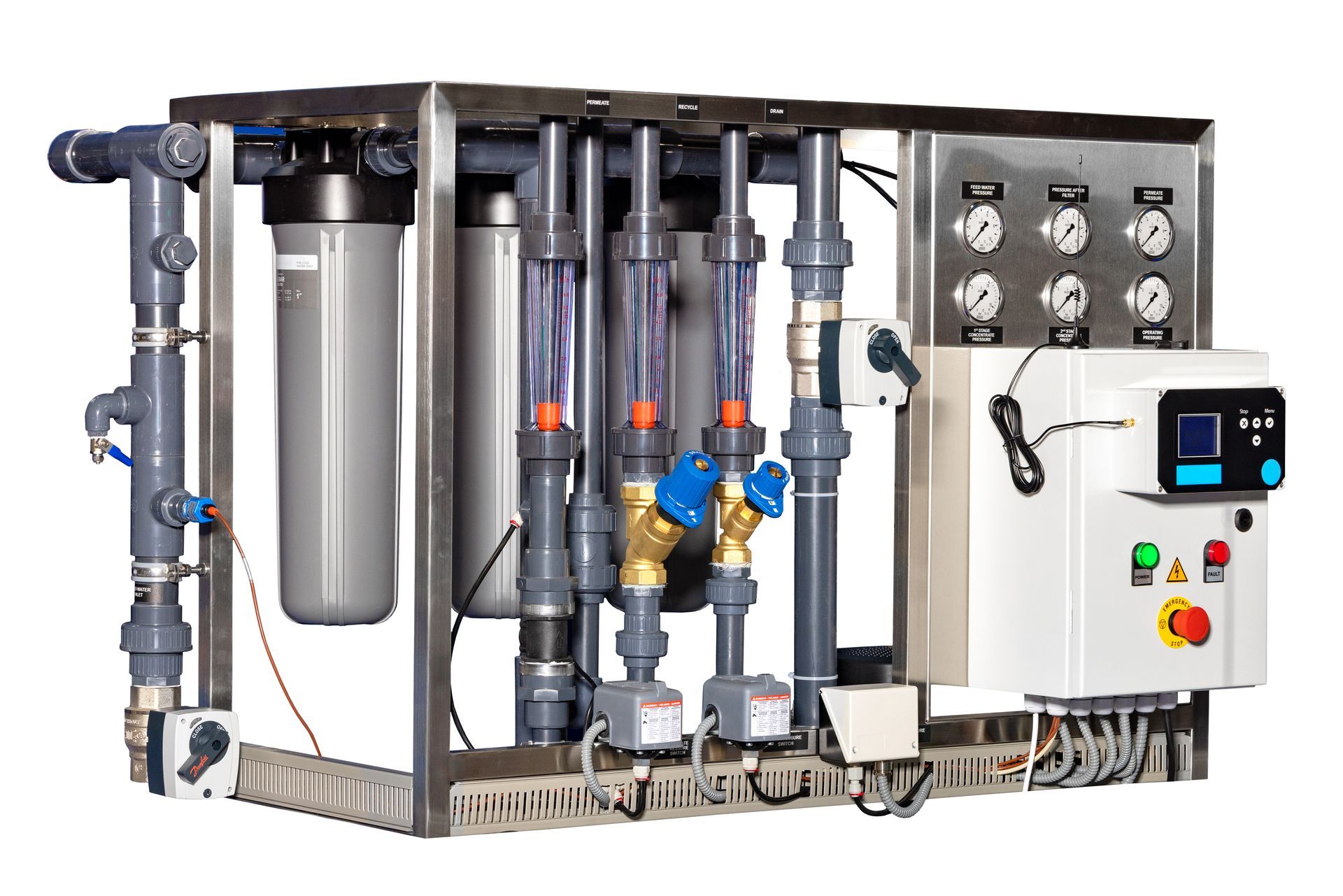
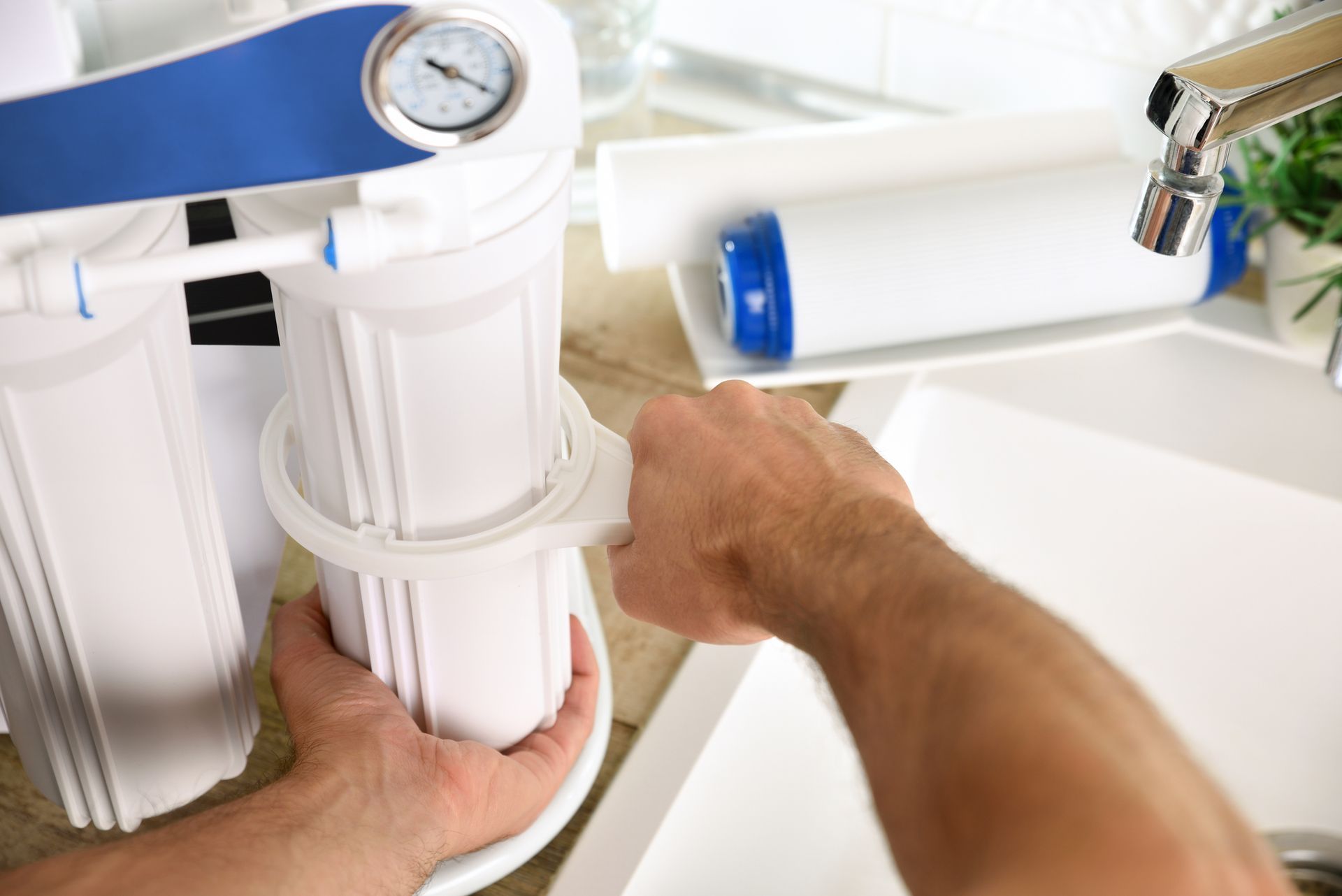
The filters usually come in different size options and can be installed under the sink, on the countertop, or as a whole-house filtration system. You can also use the carbon filters as a single-stage filtration system or combine them with other filtration components depending on the level of contamination.
Employ Acid Neutralization
In some cases, your well water might be too acidic or alkaline. This can cause a bitter or sour flavor to the water and even damage your pipes and fixtures. For example, acidic water can corrode the plumbing in your home, while alkaline water can leave mineral deposits on various surfaces such as shower heads and faucets.
The most effective way to solve this problem is to use an acid-neutralizing filter. These filters contain calcite media that raises or lowers the water's pH.
For example, if your water is too acidic (pH below 7), the filter will add calcium carbonate to raise the pH. The calcium carbonate dissolves and reacts with the acidic water, neutralizing it and bringing it to a neutral pH of 7. These filters are usually installed at the point of entry so that all water entering your home is balanced and free of contaminants.
If you have recurrent problems with the taste and quality of your well water, our experienced team here at McAleer Water Conditioning, Inc. can help. We specialize in all types of water filtration and can provide quick, professional advice to ensure your well water is safe for consumption. Contact us today for a free consultation.