Cedar Rapids Water Quality in 2026: What Homeowners Need to Know Before Choosing a Water Treatment System

Cedar Rapids homeowners often wonder about tap water quality before investing in a water treatment system, and 2026 data gives them good reason to ask. This guide covers where Cedar Rapids water comes from, what contaminants are commonly detected, and which water treatment options may best address what's in your water.
Where Does Cedar Rapids Water Come From?
Cedar Rapids draws its water from a shallow alluvial aquifer alongside the Cedar River, with wells completed at roughly 40 to 80 feet below the land surface. Natural sand and gravel filtration pre-treats the water before it reaches the city's two conventional lime-softening treatment plants. The Water Division can also adapt to changing conditions by selecting from a network of 51 wells. Even so, several water quality concerns remain by the time water reaches household taps across Linn County.
What Contaminants Are Commonly Found in Cedar Rapids Water?
Water Hardness
Cedar Rapids water typically measures around 150 mg/L as calcium carbonate, or 6 to 9 grains per gallon, which is moderately hard. Hardness at this level leaves mineral deposits on faucets, showerheads, and appliances, and can cause a film on dishes and dryness on skin and hair.
Chlorine and Disinfection Byproducts
Chlorine keeps water safe through the distribution system, but disinfection byproducts such as trihalomethanes can form when chlorine reacts with organic matter. These are worth considering if you are sensitive to taste and odor or want the cleanest possible drinking water.
Lead
Lead has been detected in Cedar Rapids' water supply. The EPA has established there is no safe level of lead exposure, making this a priority concern for households with children or pregnant women. Lead typically enters drinking water through corrosion of older service lines and plumbing solder, and older neighborhoods near the downtown core may carry higher risk.
Nitrates and Agricultural Runoff
Nitrate is among the most common groundwater contaminants in Iowa, and Cedar Rapids is no exception given the agricultural landscape throughout the Cedar River watershed. The city has worked with state and federal agencies on conservation strategies to reduce upstream nitrate levels, though the risk remains relevant for well and municipal users alike.
Arsenic and Other Detections
Groundwater sources can carry naturally occurring minerals like arsenic, and hexavalent chromium was previously detected at 2.00 µg/L. While these levels are below some state limits, residents concerned about these contaminants may want to consider reverse osmosis filtration as an added layer of protection.
Which Water Treatment Option Is Right for Your Home?
Water Softeners
A water softener is typically the first water treatment step for Cedar Rapids homeowners dealing with hardness. Ion exchange removes calcium and magnesium, protecting pipes, extending appliance life, and improving how skin and hair feel after a shower. If you see white scale on fixtures or cloudy spots on dishes, a softener directly addresses those issues.
Iron Filtration
Iron can remain present even after municipal treatment. Iron filtration catches residual iron before it causes rust staining in sinks, tubs, and laundry. Orange-brown stains anywhere water contacts surfaces are a clear indicator.
Reverse Osmosis for Drinking Water
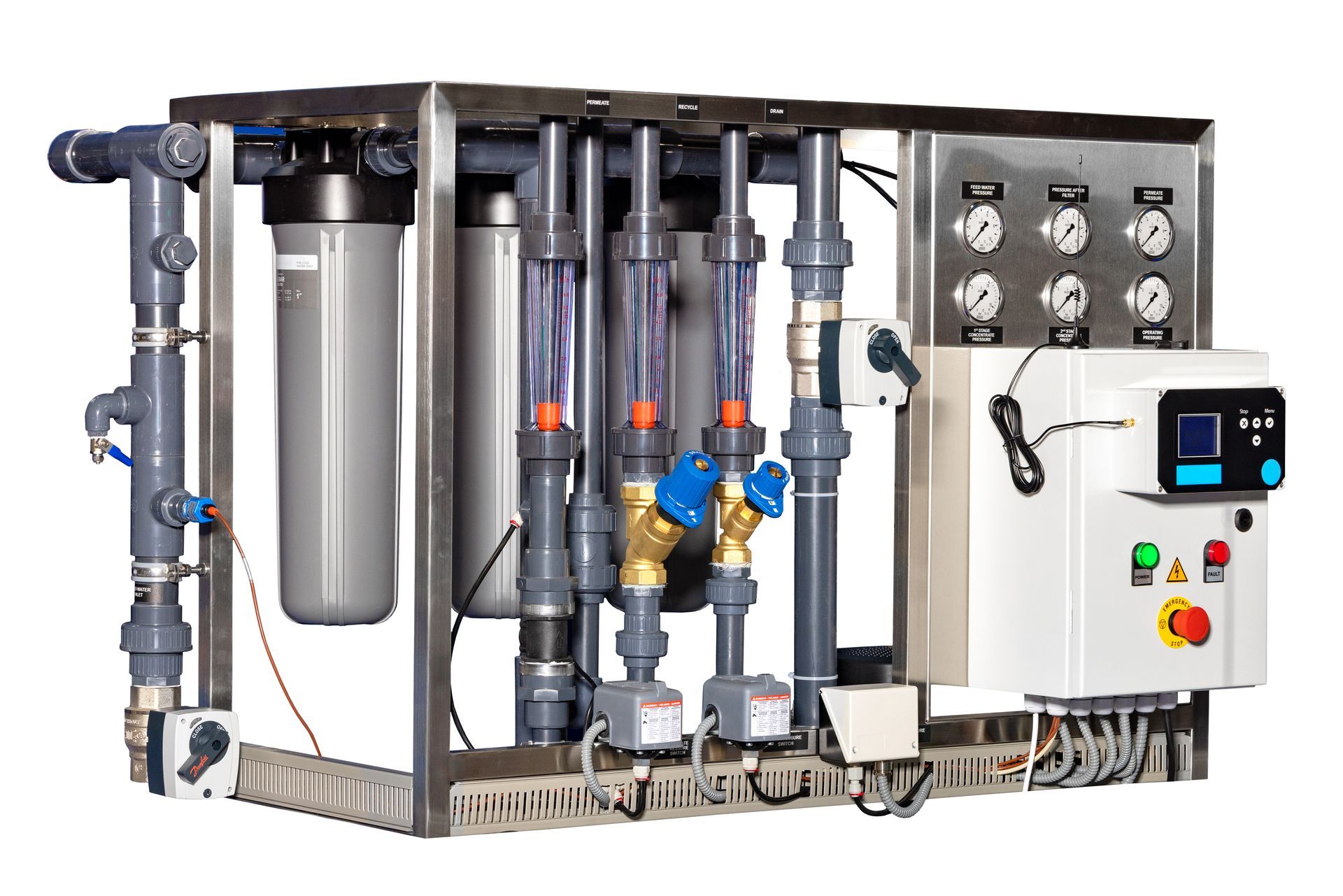
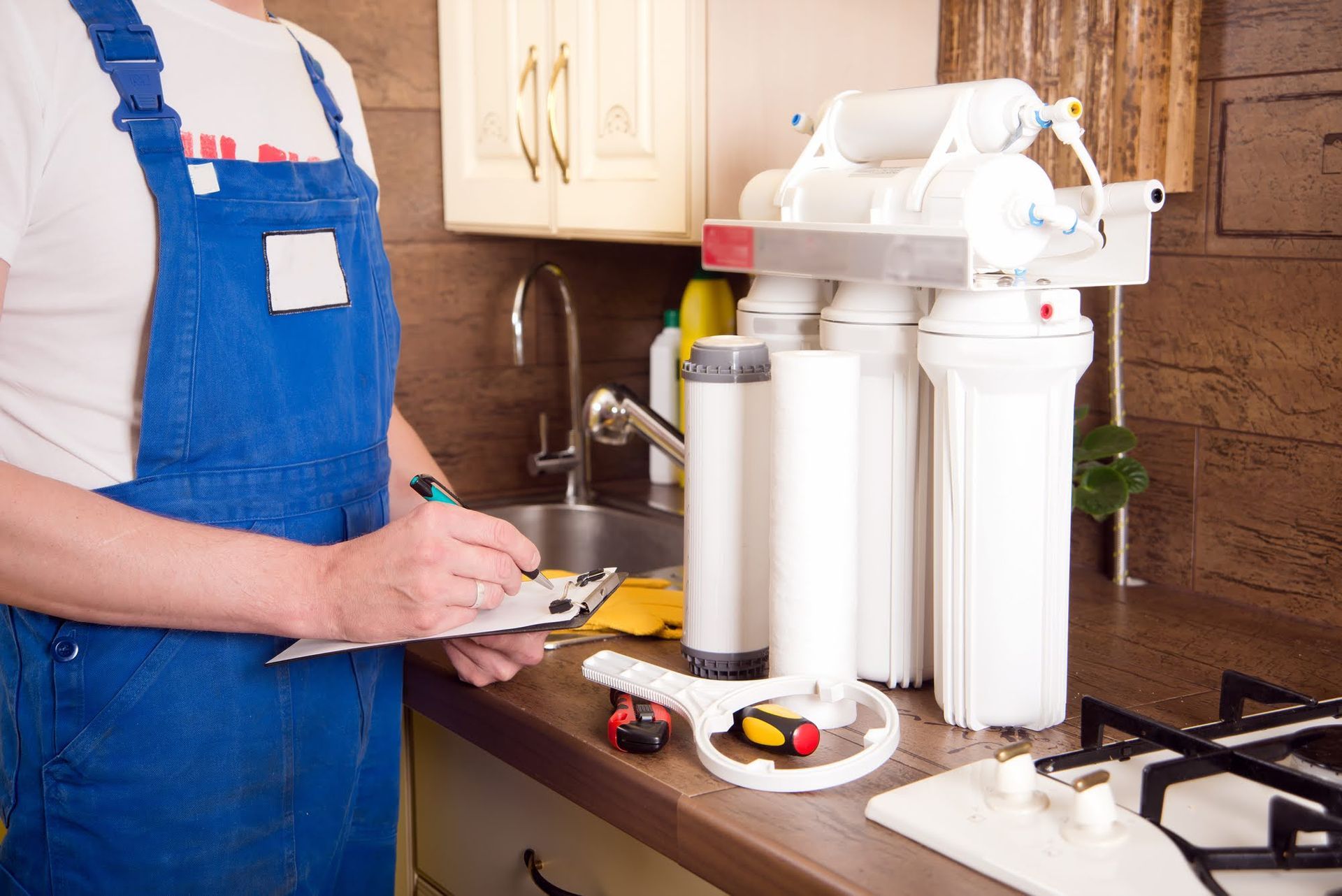
For lead, chlorine byproducts, nitrates, and arsenic, a reverse osmosis system provides an additional layer of protection at the kitchen tap, effectively removing lead, chlorine, fluoride, sediment, and dissolved solids. You can explore
reverse osmosis systems
designed for Eastern Iowa homes to learn more about point-of-use options.
Should You Get a Free Water Test Before Choosing a System?
A free water test is the most reliable starting point. Municipal testing covers the treatment plant and distribution system, not what comes out of your individual tap. Water quality in Cedar Rapids can vary by neighborhood and plumbing age, so testing your specific tap water gives you the clearest picture before investing in water treatment equipment.
Cedar Rapids water has 8 contaminants above EPA maximum contaminant level goals (MCLGs). MCLGs are non-enforceable health targets, meaning the water meets legal limits while still exceeding levels considered ideal for long-term health.
Get Local Help Serving Cedar Rapids, IA
McAleer Water Conditioning has been serving Eastern Iowa homeowners since 1976, including households throughout the Cedar Rapids area. The team offers free water testing and recommends water treatment solutions based on your actual results.
Call
1-800-397-1995 to schedule your free water test, or
reach out through the contact page to request a quote. You can also find and review
McAleer Water Conditioning
on Google to read what other Eastern Iowa homeowners have to say.
Is Cedar Rapids Water Hard?
Yes. Cedar Rapids water typically falls between 6 and 9 grains per gallon, or 100 to 150 mg/L as calcium carbonate. A water softener can help manage scale on appliances and fixtures over time.
Is Cedar Rapids Tap Water Safe to Drink?
Cedar Rapids tap water meets federal legal standards, but 8 contaminants exceed EPA MCLGs. A certified filter or reverse osmosis system may provide added protection for households with particular health concerns.
What Is the Best Water Treatment System for Cedar Rapids Homes?
Most Cedar Rapids households benefit from a water softener to address hardness, paired with a reverse osmosis system for drinking water to reduce lead, chlorine byproducts, and other contaminants. A free water test confirms exactly what your tap water contains before you invest in any equipment.