Is Hiawatha, IA Water Hard? What Local Homeowners Need to Know in 2026
Hiawatha, IA, homeowners face some of the hardest municipal water in Iowa. Whether you rely on city water or a private well, understanding your water quality is the first step toward protecting your property. Water treatment in Hiawatha, IA, is a real need for most households here, not just an upgrade. Families who invest in it often notice immediate improvements in appliance performance, water taste, and daily comfort.
How Hard Is the Water in Hiawatha, IA?
Hiawatha's water is firmly in "very hard" territory. According to the Hiawatha Water Department's 2025 Water Quality Report, hardness ranges from 14 to 20 grains per gallon (gpg). Water above 10.5 gpg is considered very hard by most industry standards, and among Iowa cities, Hiawatha records some of the highest levels in the state.
The source is groundwater drawn from the Silurian aquifer, a limestone-based formation naturally rich in calcium and magnesium, the minerals responsible for hardness. Linn County groundwater is also hard and locally contains high concentrations of iron.
What Does Hard Water Actually Do to Your Home?
Very hard water causes real, measurable damage over time. Dissolved minerals leave behind scale, a chalky buildup that coats the inside of pipes, water heaters, and appliances. Common problems Hiawatha homeowners encounter include scale buildup that reduces water flow and pressure, water heaters that work harder and raise energy bills, dishwashers and washing machines that wear out faster, and stained dishes and glassware. Hard water also prevents soap from lathering properly and can leave skin dry and hair brittle. White crust around faucets, dull laundry, and spotty dishes are everyday signs your water hardness is working against you.
McAleer Water Conditioning has been serving Eastern Iowa since 1976, helping families protect their homes from exactly these kinds of hard water problems.
City Water vs. Private Wells in Hiawatha
Most residents inside city limits receive water from the municipal system. The city operates its own wells and runs an iron removal plant, but the treatment process does not remove hardness minerals. What comes out of your tap is still very hard.
Homeowners on the edges of Hiawatha or in rural Linn County may rely on private wells. Well water in this region can carry even higher concentrations of iron, nitrates, and other minerals depending on local geology. Private wells should be tested for nitrate and coliform bacteria annually. A professional water test is the best way to know what you are dealing with, and a qualified provider of water treatment in Hiawatha, IA, can guide you through the process.
Signs You May Need Water Treatment
If you notice any of the following, your home may benefit from a water treatment solution: white or yellowish buildup around faucets and drains, a metallic or mineral taste in your drinking water, rust-colored stains in sinks or toilets, soap that does not lather well, dry or itchy skin after showering, or cloudy dishes after running the dishwasher. These symptoms are common in Hiawatha, where hardness levels are consistently high. Scheduling a consultation for water treatment in Hiawatha, IA, is the most efficient way to identify which systems will address your specific concerns.
Treatment Options That Work for Hiawatha's Water
A water softener is the most direct solution for hard water. Through ion exchange, calcium and magnesium are replaced with sodium ions, delivering softened water throughout your home. Given Hiawatha's elevated hardness range, a higher-capacity softener is often appropriate. You can learn more about available systems on the Hiawatha water softener page, or speak with a local specialist to find the right fit for your household size and measured hardness level.
Iron filtration is another common need. Because Linn County groundwater can carry dissolved iron, an iron filtration system can eliminate rust stains on clothes and bathroom fixtures.
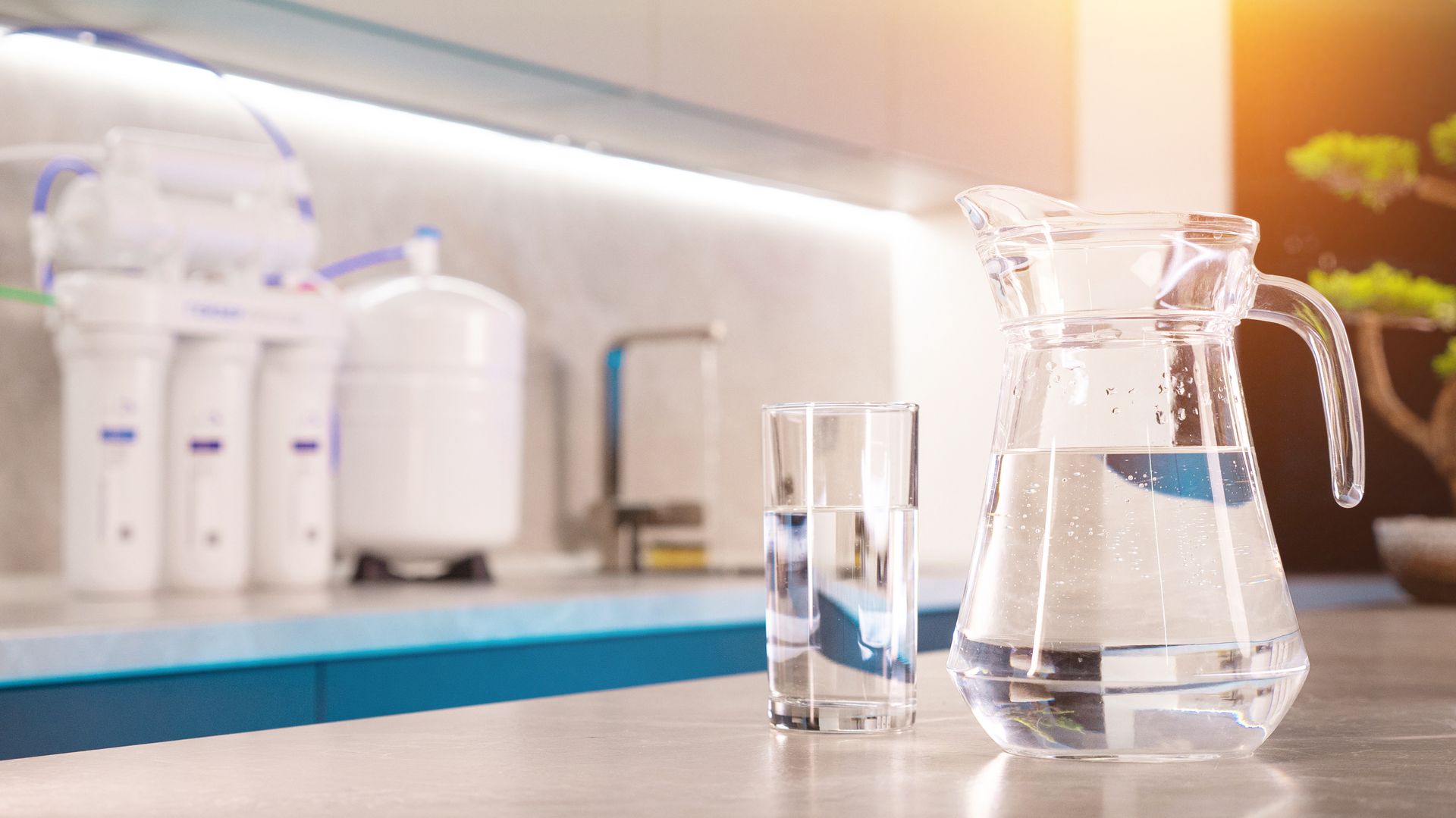
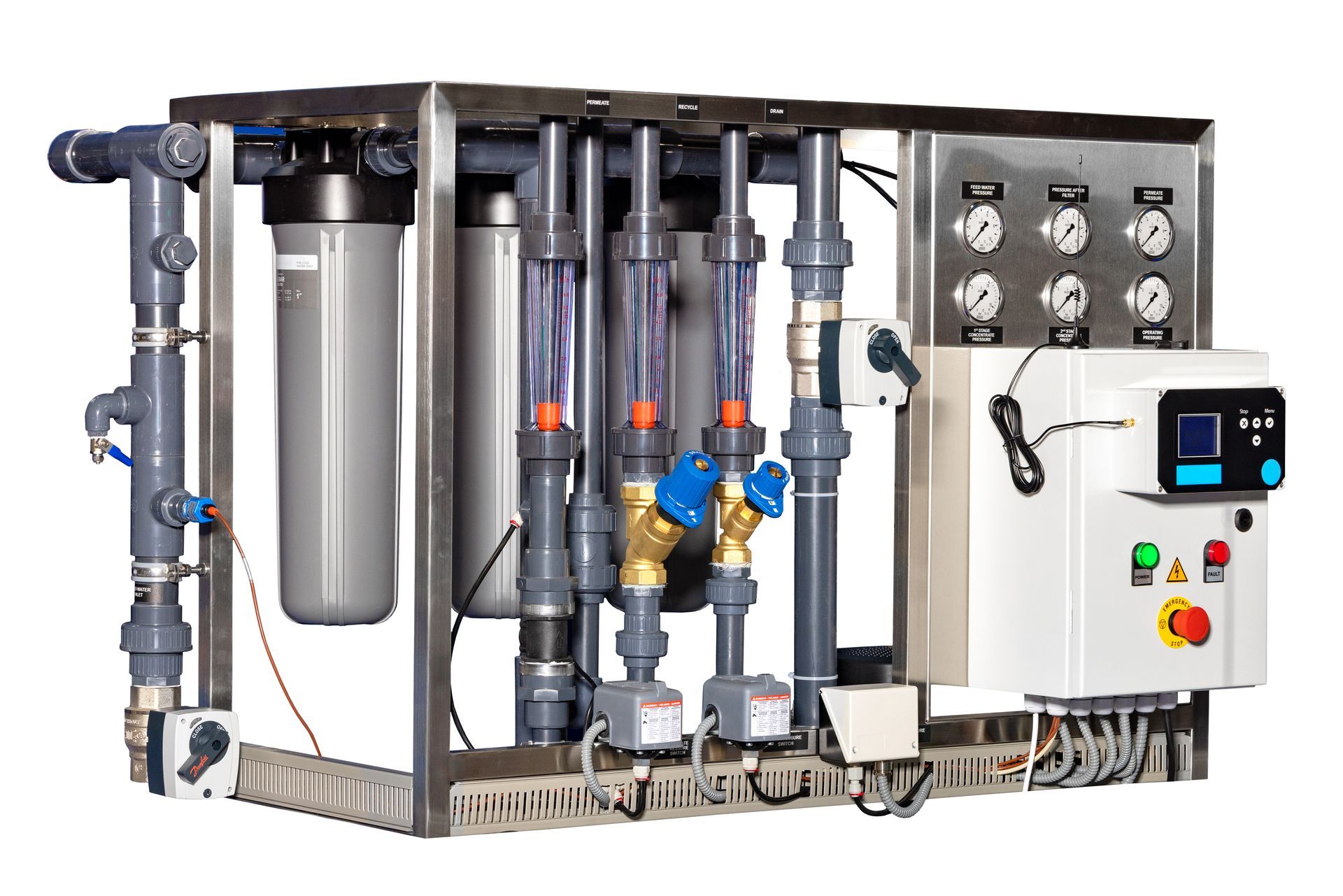
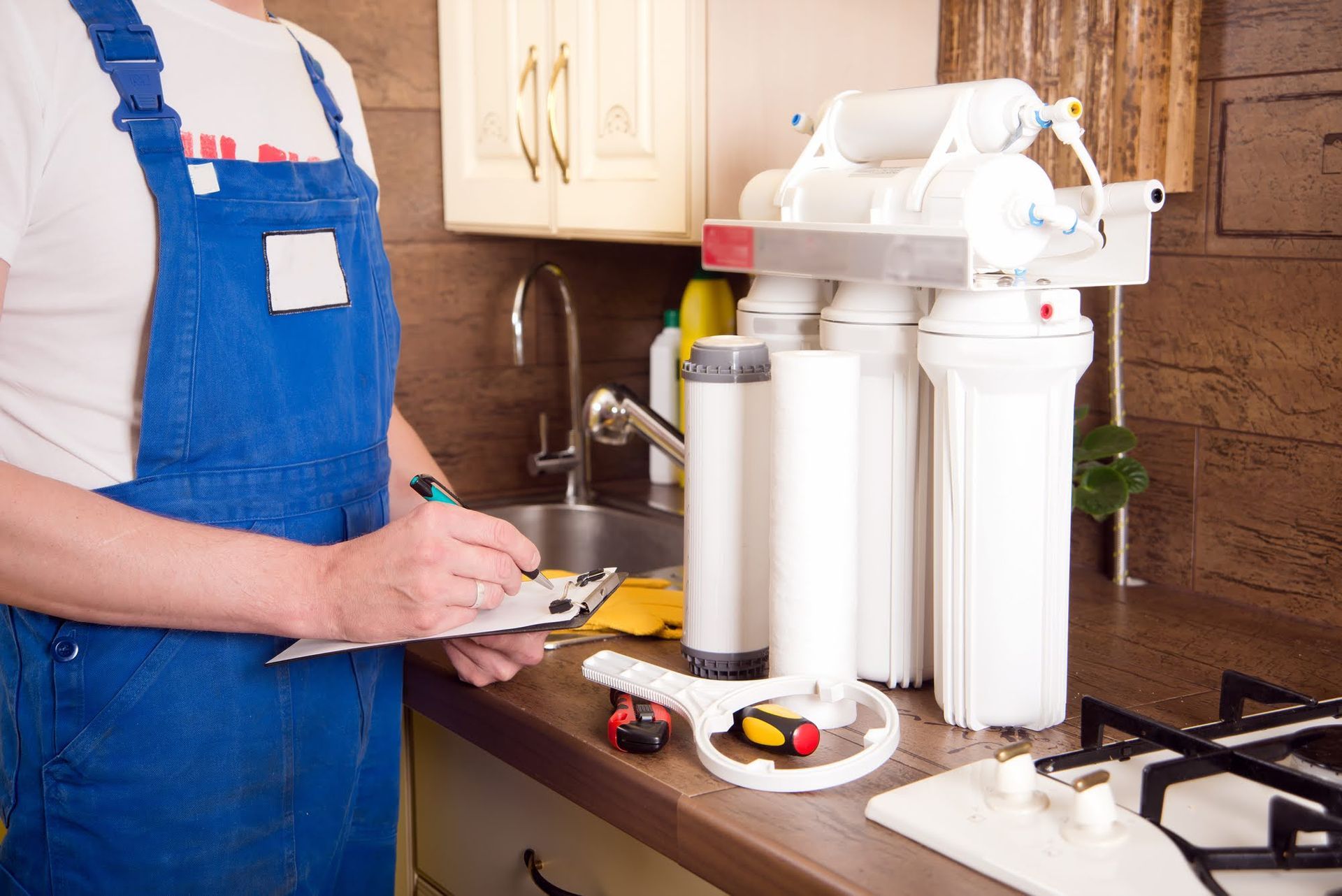
For drinking water specifically, a reverse osmosis system goes a step further, delivering fresh, great-tasting water free of additional contaminants. These under-counter systems are particularly useful for households concerned about taste beyond what softening alone addresses.
Is Hiawatha's Hard Water Safe to Drink?
Yes, hard water is generally safe to drink. The calcium and magnesium that cause hardness are naturally occurring minerals, and the city's municipal system is tested regularly and meets safe drinking water standards. That said, very hard water may have a noticeable mineral taste. Homeowners on private wells should test annually to confirm safety, as well conditions can change.
Get the Right Solution for Your Hiawatha Home
If you have noticed scale buildup, rust stains, or water that just feels off, professional water treatment in Hiawatha, IA, can make a significant difference for your plumbing, appliances, and daily comfort.
Get in touch directly to request a free quote, or call
(319) 462-4497 to speak with a water treatment specialist today.