How to Remove Iron From Well Water in Manchester, IA: Water Filtration Options Explained
If your well water is leaving rust-colored stains on sinks, toilets, or laundry, high iron content may be the cause. This guide covers what that means for homeowners seeking water filtration in Manchester, IA, and how to fix it. Iron is one of the most common complaints among private well owners in Delaware County, and proven filtration solutions can restore clean, clear water to your home.
Why Well Water in Manchester, IA, Often Has High Iron
Iron is a naturally occurring element in Iowa's soil and bedrock, and groundwater picks up dissolved iron as it moves through the earth. Delaware County sits in a part of northeast Iowa where karst limestone formations and agricultural soils contribute to mineral-rich groundwater. Homes in rural areas outside Manchester, along with nearby communities like Hopkinton, Delhi, and Earlville, often rely on private wells with elevated iron levels.
The EPA sets a secondary standard of 0.3 mg/L for iron in drinking water. While not a direct health risk, iron can cause real problems in your home, and testing is the only way to know exactly what your well contains.
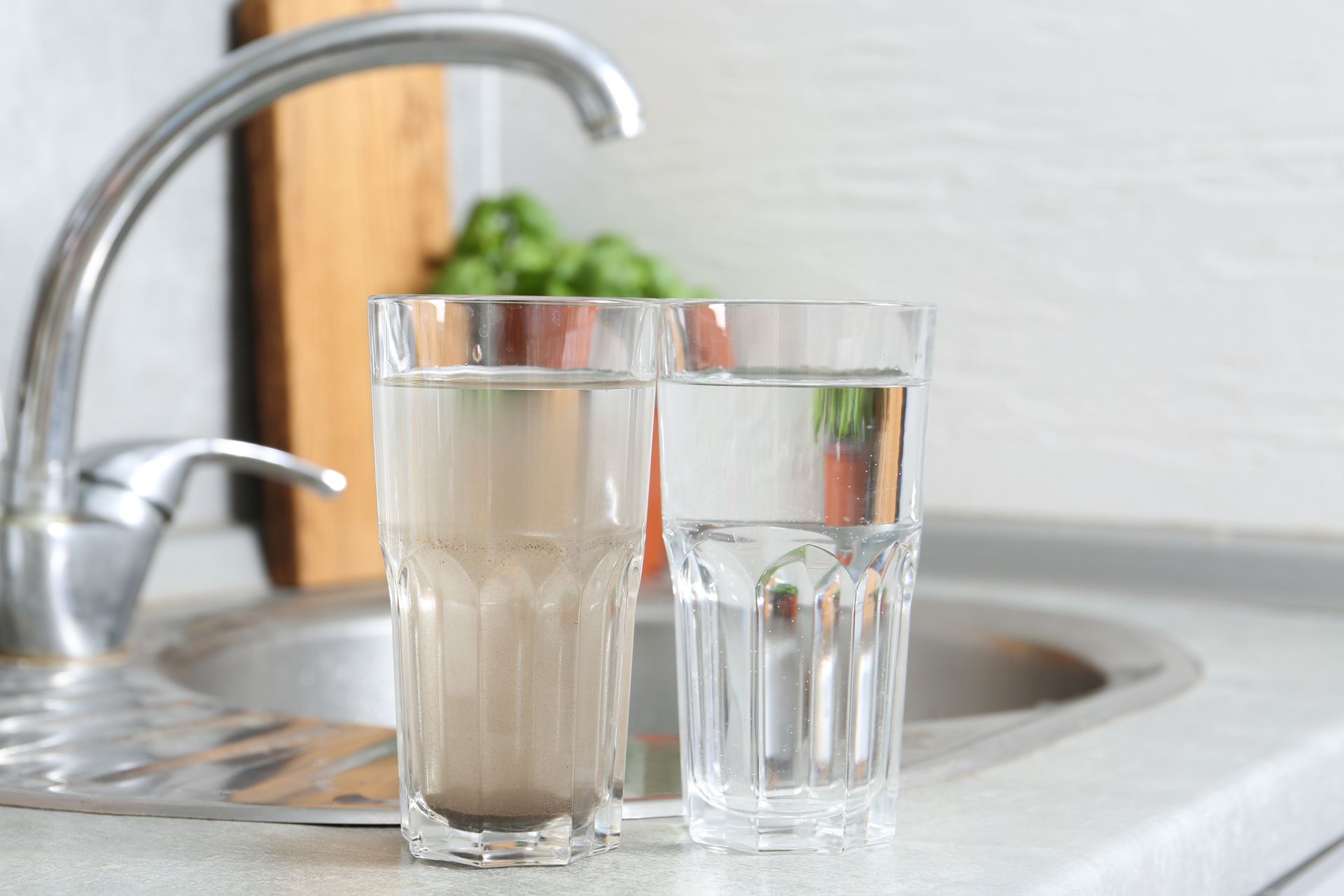
How to Identify Iron Problems in Your Well Water
Common indicators include rust-colored stains in toilets, sinks, showers, and laundry, along with a metallic taste or odor. If these symptoms sound familiar, water filtration in Manchester, IA, is worth exploring.
There are two main types of iron found in well water:
Ferrous Iron (Clear-Water Iron): Dissolved iron that looks clear at the tap but turns red or orange after sitting. This is the most common type in northeast Iowa private wells.
Ferric Iron (Red-Water Iron): Already oxidized iron that comes out visibly red, orange, or brown.
A third form, bacterial iron, involves microorganisms that produce orange-brown slime in pipes and fixtures and may need a different treatment approach. A professional water test will identify the type and concentration of iron present. Iowa's Private Well Grants Program may offer free or low-cost testing to eligible residents.
Filtration Options for Removing Iron From Well Water
Choosing the right approach to water filtration in Manchester, IA, starts with your water test results, since several effective methods may suit Manchester-area homes depending on iron type and concentration.
Oxidizing Filters
Oxidizing filters introduce air or an oxidizing agent to convert ferrous iron into ferric iron, then filter out the particles. Aeration-based systems handle moderate to high iron levels without chemicals and can also address sulfur odor.
Greensand and Catalytic Media Filters
Greensand filters use a coated media to oxidize and capture iron, manganese, and hydrogen sulfide. Catalytic carbon media works similarly and suits lower iron concentrations, though both require periodic backwashing or regeneration.
Iron Curtain Systems
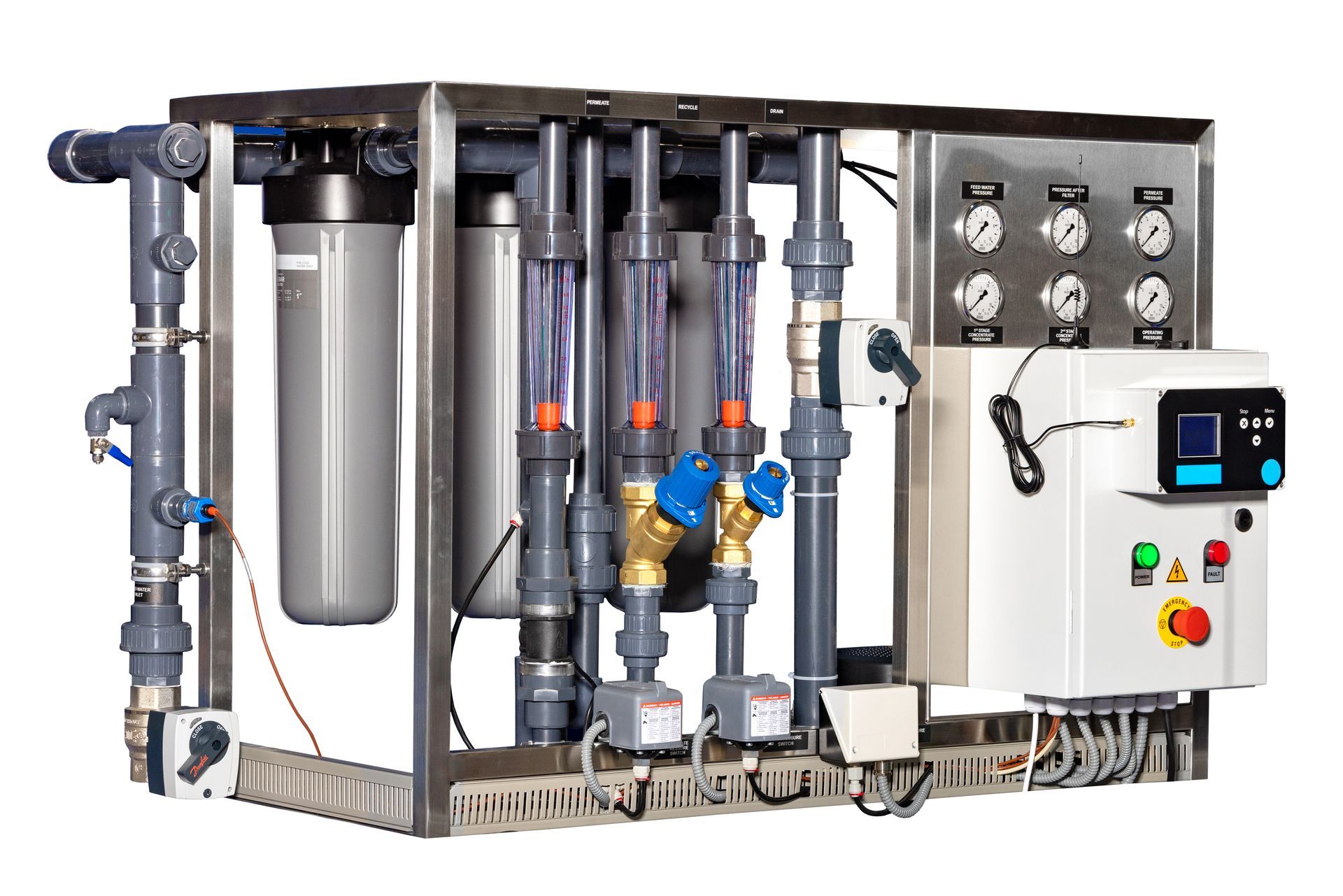
Some water treatment providers in Delaware County offer dedicated iron filtration equipment such as the Hellenbrand Iron Curtain line, which uses aeration and multi-media filtration to treat iron and sulfur without chemicals. These programmable systems can be sized to a home's water usage and are popular when both need treatment.
Reverse Osmosis Systems
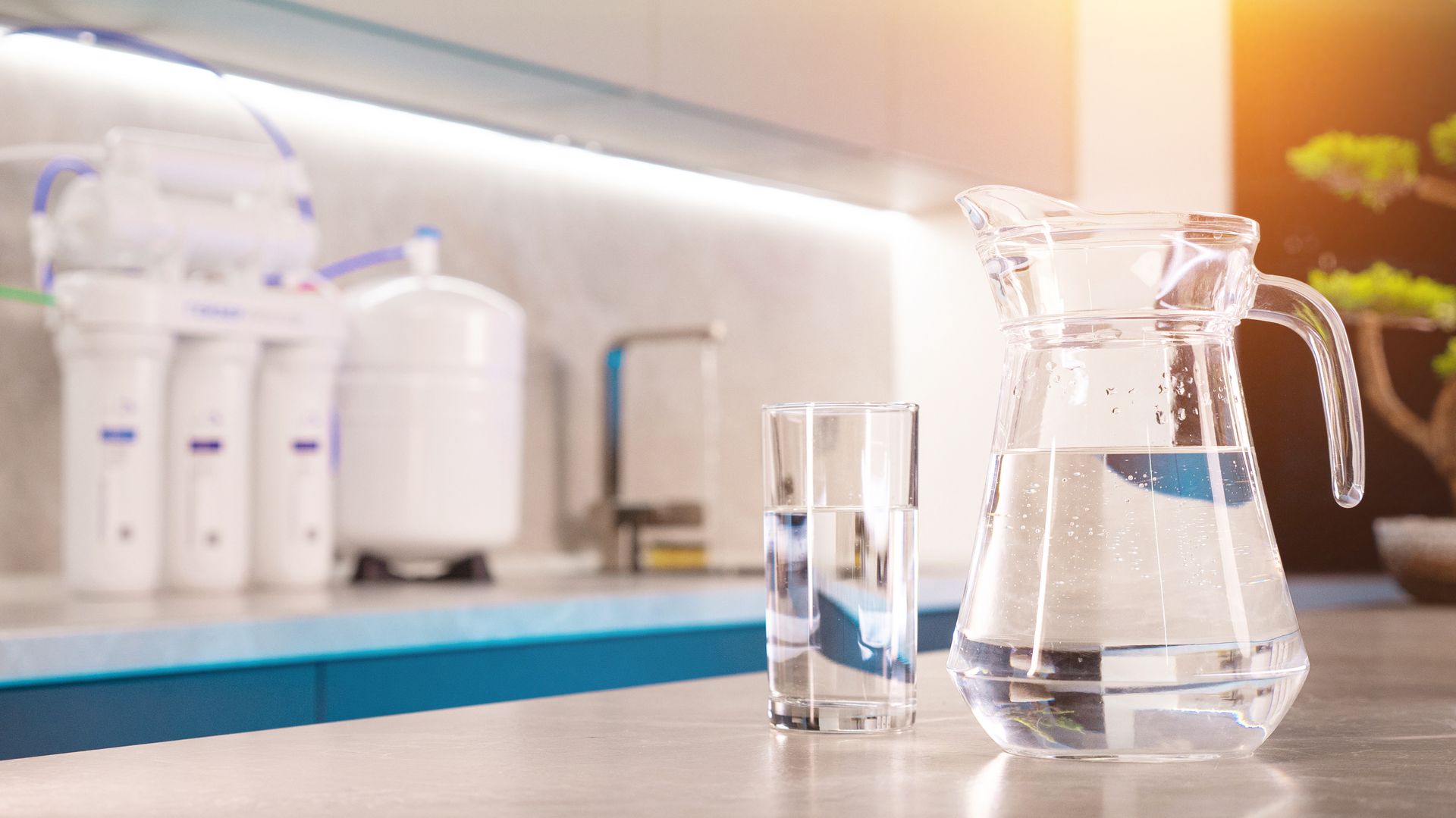
Reverse osmosis filters water through a semipermeable membrane and can remove iron at lower concentrations. RO is typically a point-of-use solution for drinking and cooking water, and for moderate iron levels, pairing an RO system with a whole-house pre-filter may deliver excellent results at the kitchen tap.
Water Softeners With Iron Removal
Ion-exchange water softeners can remove small amounts of ferrous iron during normal operation, but a dedicated iron filter is usually needed at higher concentrations. A softener combined with an iron filter often works best for Delaware County households facing both hard water and iron. A local specialist in water filtration in Manchester, IA, can determine what fits your situation.
Maintenance Tips to Keep Your Iron Filter Working
Any iron filtration system requires regular upkeep. Backwashing schedules keep media clean and prevent tank buildup, and filters may need replacement every few years depending on iron concentration and volume. Annual inspections help catch problems early, and staining or water quality changes should prompt a service check. Consistent maintenance matters for water filtration in Manchester, IA, given the region's iron-rich groundwater.
Frequently Asked Questions About Iron Removal From Well Water
What Is the Best Way to Remove Iron From Well Water?
The best method depends on the type and level of iron in your water. Ferrous iron can often be treated with oxidizing filters or ion-exchange softeners, while ferric iron typically needs a sediment or media filter. A professional water test is the recommended starting point.
Can a Water Softener Remove Iron From Well Water?
A water softener may remove small concentrations of ferrous iron during normal operation, but higher iron levels typically need a dedicated filtration system. Many Delaware County homeowners use a softener and an iron filter together for complete treatment.
How Do I Know if My Well Water Has Too Much Iron?
Common signs include rust-colored stains on fixtures and laundry, a metallic taste, or orange-tinted water. Professional testing, including through Iowa's Private Well Grants Program, is the only way to confirm iron levels and type.
How Often Should an Iron Filter Be Serviced?
Most iron filters benefit from at least an annual inspection. Backwashing frequency depends on water usage and iron concentration, and staining or water quality changes may call for a service check sooner.
Take the Next Step Toward Cleaner Well Water in Manchester, IA
McAleer Water Conditioning has been serving Eastern Iowa since 1976 and offers iron filtration systems for homes and businesses in the Manchester, IA, area. Their team can test your water and recommend the right solution.
To learn more about available
iron filtration systems, visit the McAleer Water Conditioning website. Ready to schedule a water test or ask about options?
Contact McAleer Water Conditioning or call
(800) 397-1995 to get started.