Water Filtration vs. Water Softening: Which Does Cedar Rapids Water Actually Need?
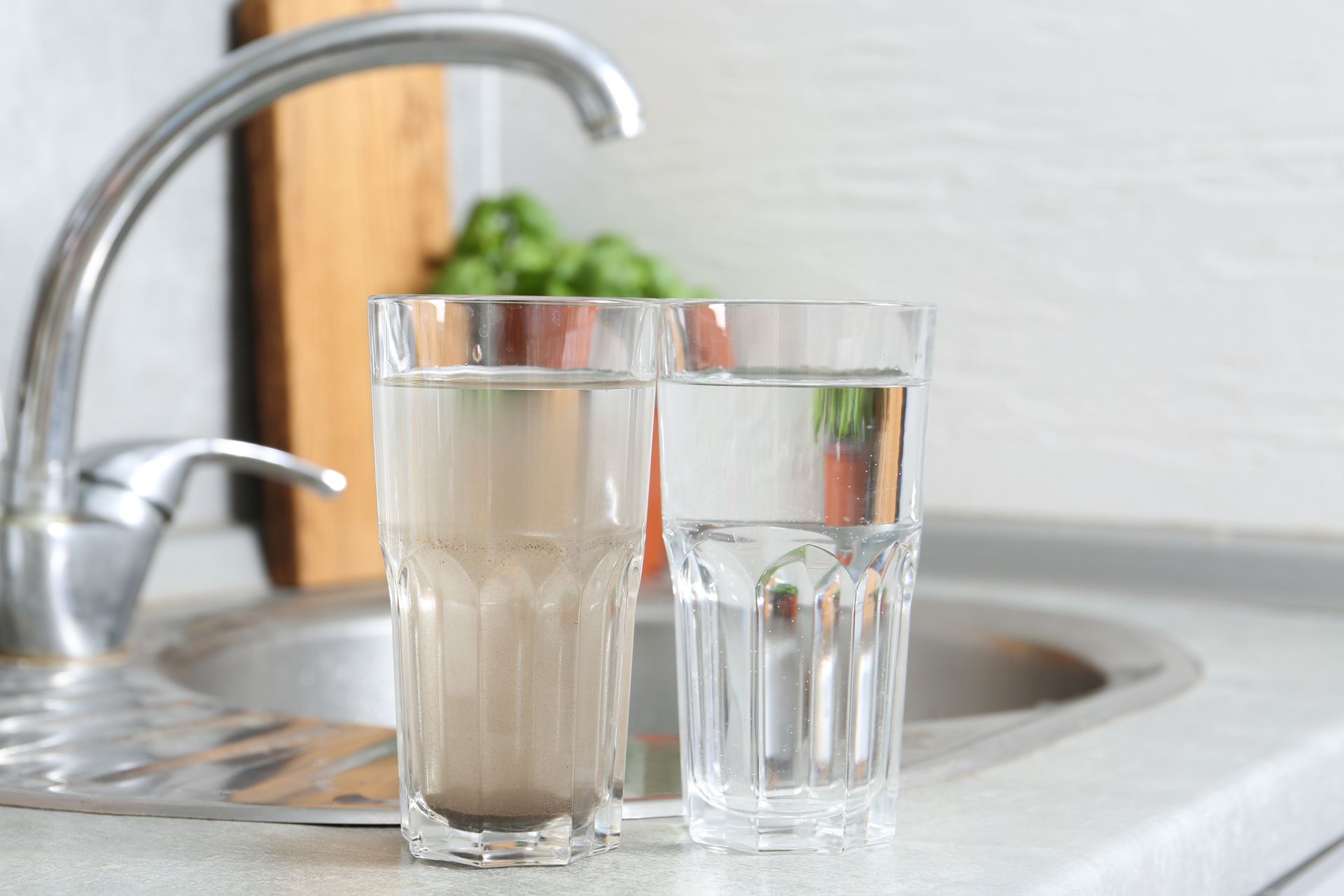
Many Cedar Rapids, IA, homeowners ask the same question when they notice cloudy glasses, dry skin after a shower, or an odd taste from the tap: do they need water filtration, a water softener, or both? Cedar Rapids water presents a combination of challenges that not every system can fully address on its own. Knowing the difference can help you choose the right solution.
What Is the Difference Between Water Filtration and Water Softening?
Water filtration and water softening target different problems. A water softener uses ion exchange to replace hard minerals, primarily calcium and magnesium, with sodium ions. This prevents scale buildup in pipes and appliances and helps soap lather more easily. A water filtration system in Cedar Rapids, IA, by contrast, reduces or removes contaminants such as chlorine, chloramines, volatile organic compounds (VOCs), herbicides, and nitrates. Filtration does not soften water, and a softener does not remove chemical contaminants. They serve complementary, not interchangeable, purposes.
What Does Cedar Rapids Water Actually Contain?
Cedar Rapids draws its supply from shallow wells along the Cedar River, pulling from an alluvial aquifer strongly influenced by river flow. Because the Cedar River watershed covers more than 6,500 square miles extending into southern Minnesota, agricultural runoff can enter the supply chain.
Cedar Rapids water is commonly associated with hard water measuring around 11 grains per gallon (GPG), placing it in the "very hard" category. Potential nitrates and herbicide residues, including atrazine byproducts from upstream agricultural land, are also a concern. Disinfection byproducts such as total trihalomethanes (TTHMs) and haloacetic acids form when chlorine interacts with organic matter, and independent water quality assessments have identified trace concerns around heavy metals and VOCs as well.
That combination means Cedar Rapids residents may be dealing with two separate issues at once: hardness and chemical contamination. A softener alone would address scale and lather problems but leave chemical concerns untreated. Filtration alone would not stop the mineral buildup that very hard water causes in water heaters, dishwashers, and washing machines.
Which System Addresses Which Cedar Rapids Problem?
A water softener handles hard water and scale buildup, soap scum, and lather problems, but it does not address chlorine or chloramine taste and odor, nitrates, herbicide residues, or TTHMs. A water filtration system covers those chemical and contaminant concerns but does not treat hardness. Iron staining falls somewhere in between, with softeners offering partial relief and a dedicated iron filter providing more complete treatment. Removal of lead and PFOA requires filtration. Understanding which issues are present in your home is what determines which systems make sense.
What About Reverse Osmosis?
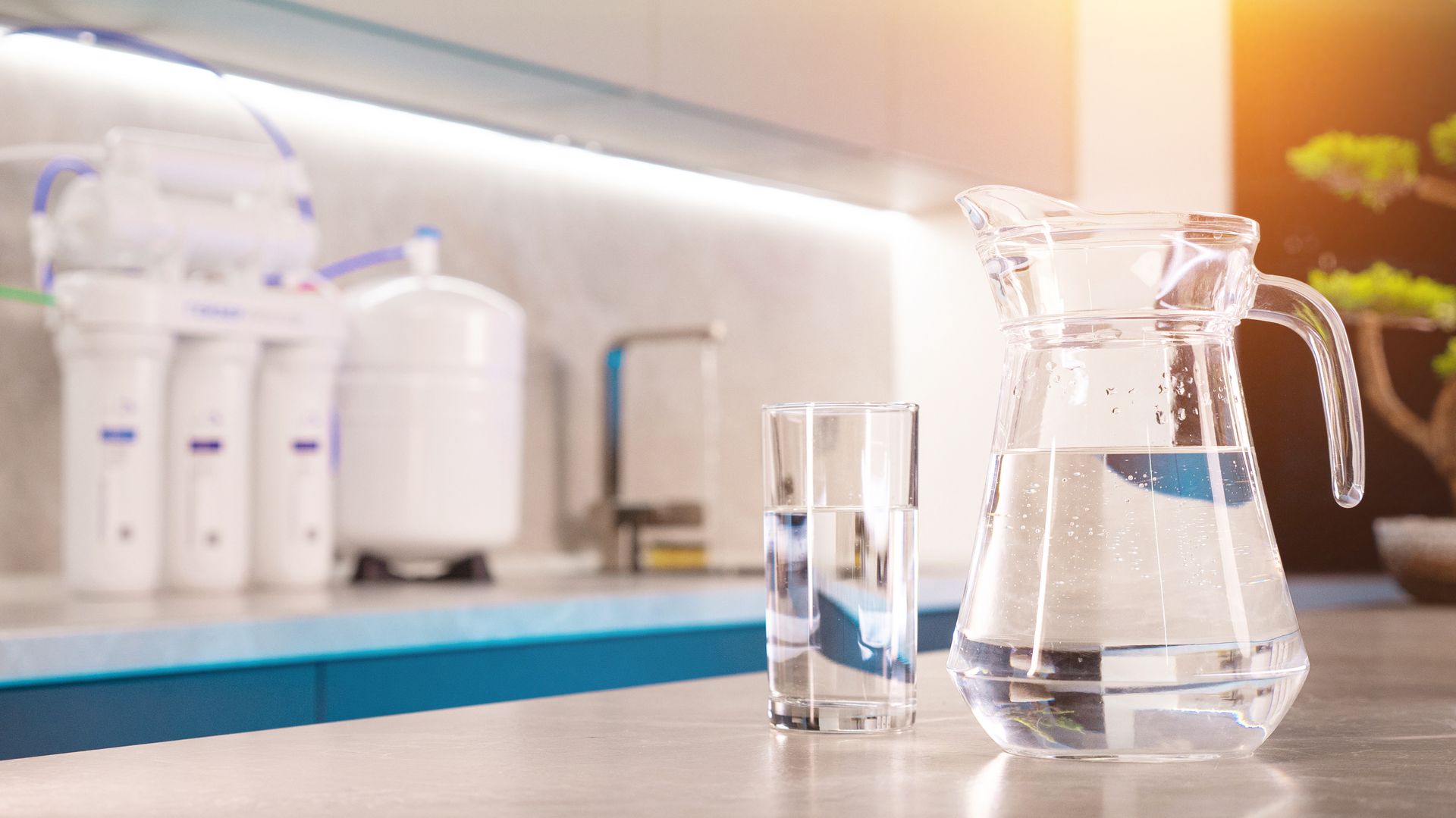
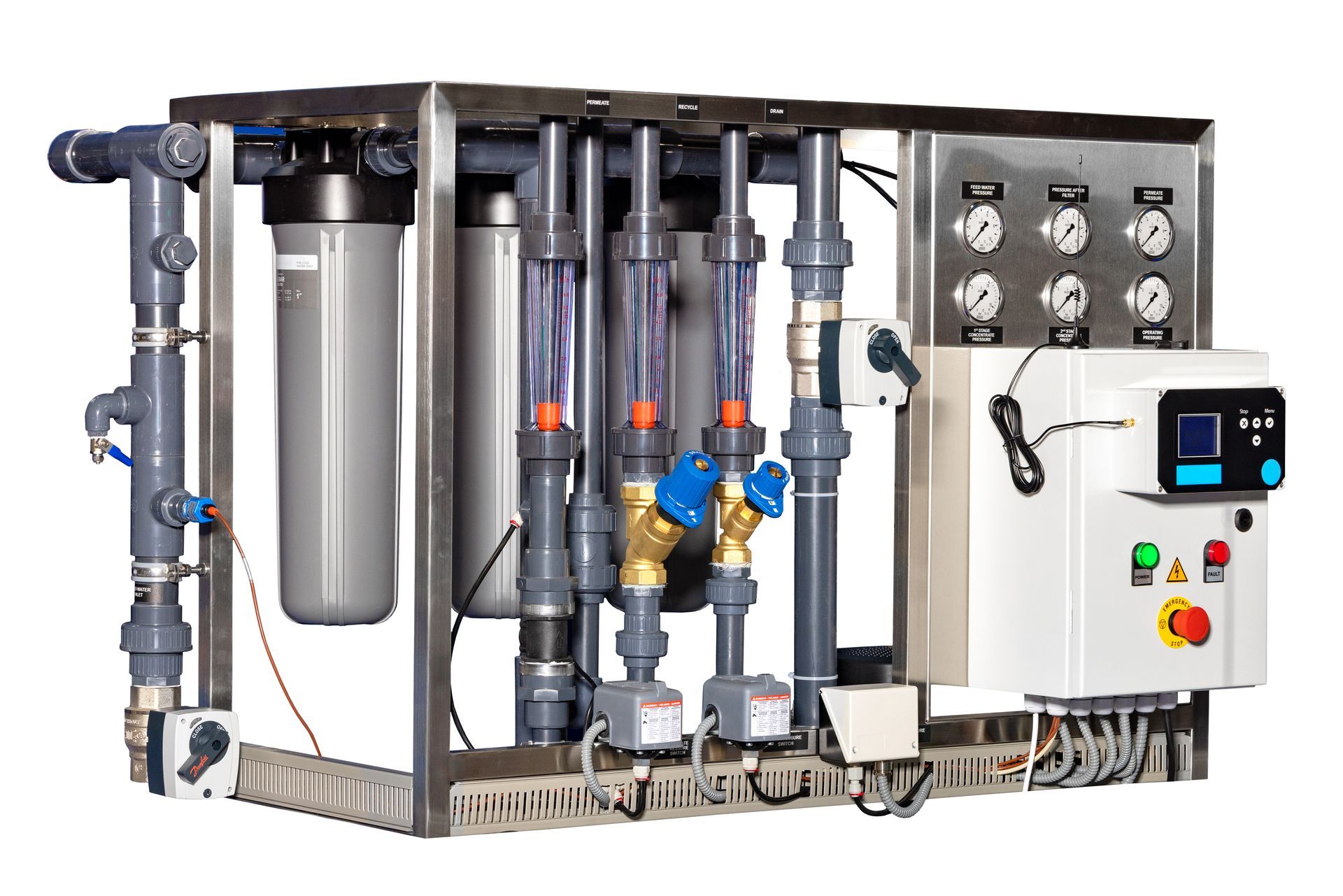
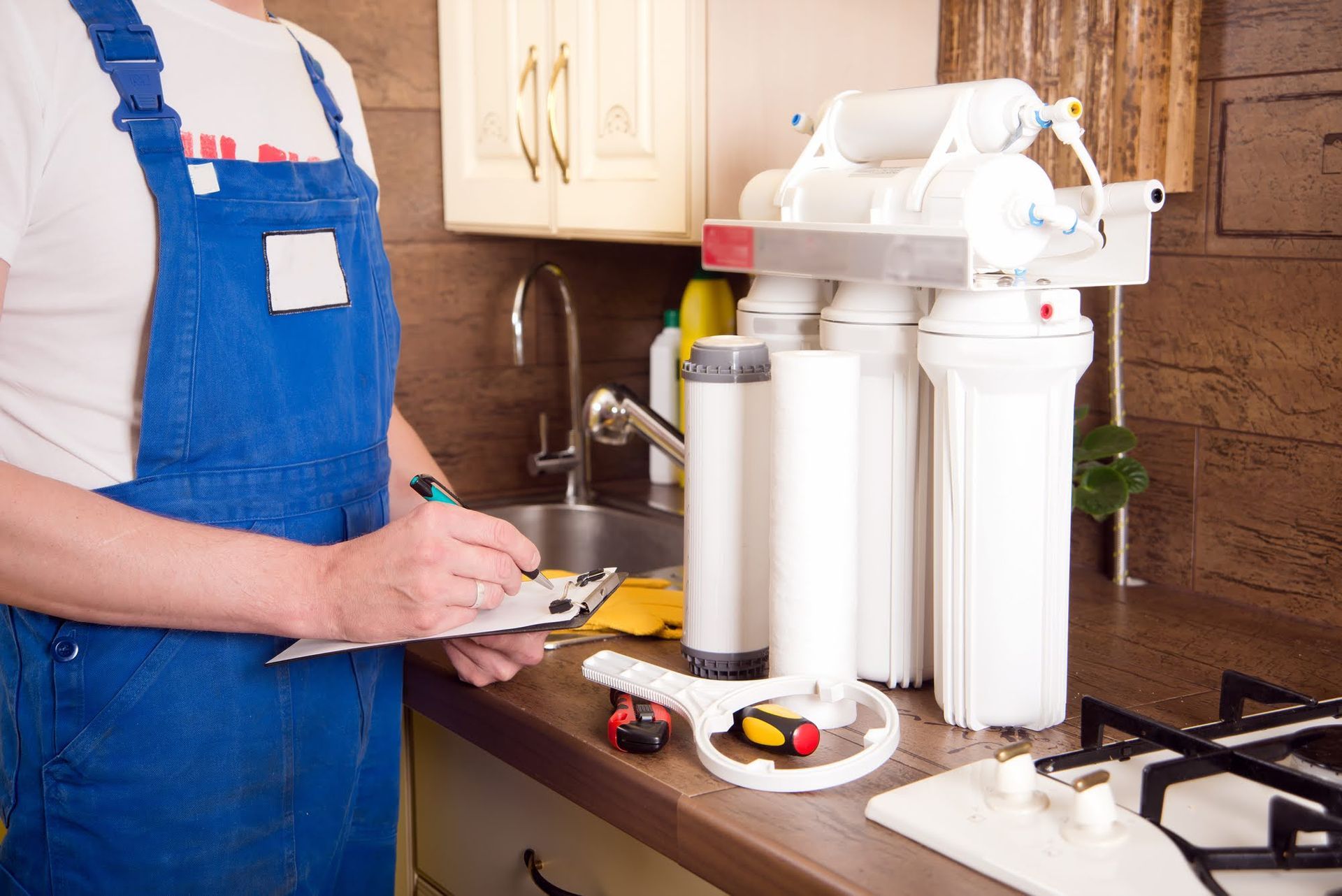
Reverse osmosis (RO) pushes water through a semi-permeable membrane, removing dissolved contaminants such as nitrates, herbicide byproducts, heavy metals, and TTHMs. Typically installed under the kitchen sink for drinking and cooking water, RO pairs well with a whole-home softener for comprehensive coverage against both hardness and chemical concerns. Review residential water treatment options to see what whole-home softening looks like before your consultation.
What Is a Whole-Home Iron Filtration System?
Iron can leave rust-colored stains in sinks, toilets, and laundry. A dedicated iron filtration system targets dissolved and particulate iron before it reaches fixtures throughout the house. This is a separate product category from both standard water softeners and carbon-based filtration systems, and it may be relevant for homes in rural Linn County or properties on private wells near the Cedar River corridor.
Do Cedar Rapids Homes Typically Need Both Systems?
Many Cedar Rapids homes benefit from using a softener and a filtration system together. A whole-home softener handles the mineral hardness delivered at roughly 11 GPG, protecting appliances and plumbing throughout the house. For chemical concerns, filtration, whether through a whole-home carbon filter or an under-counter RO unit, addresses chlorine, disinfection byproducts, and agricultural chemical residues at the point of use. Running both systems means each one does the job it is designed for without being asked to do what it cannot.
How Do I Know What My Water Needs?
The most reliable way is to have your water professionally tested. A water test can identify your specific hardness level, iron content, and the presence of chemical contaminants. Results from your own tap give you the clearest picture of what treatment to pursue.
Is Cedar Rapids Municipal Water Safe Without Treatment?
Cedar Rapids Utilities regularly tests its water against EPA and Iowa DNR standards, and the municipal supply generally meets regulatory requirements. Even so, meeting legal limits is not the same as meeting every household's preferences for taste, odor, and long-term appliance protection. Homeowners with young children, older plumbing, or concerns about agricultural chemical residues may find that an added layer of home treatment provides greater confidence. Municipal compliance is a baseline, not a ceiling.
Get a Free Water Test and Find the Right Fit for Your Cedar Rapids Home
Whether you need a softener, a water filtration system in Cedar Rapids, IA, or a combined approach, the right answer depends on what is actually in your water.
McAleer Water Conditioning has provided water treatment expertise across Eastern Iowa since 1976. The team can test your water, explain your results, and recommend systems that fit your home. Call
(319) 462-4497 or
contact us online to schedule your free water test.