Cedar Rapids Water Quality Guide: What's in Your Tap Water and How to Fix It
Tap water in Cedar Rapids, IA, has several water quality concerns that local homeowners and renters may not fully understand. This guide to water treatment in Cedar Rapids, IA, explains what is in your municipal supply and what you can do about it. The Cedar River watershed, which stretches over 6,500 square miles into southern Minnesota, feeds the city's groundwater-influenced supply.
Where Does Cedar Rapids Tap Water Come From?
Cedar Rapids sources its water from groundwater under the influence of surface water. The Cedar River watershed upstream of the city spans a large agricultural region, meaning runoff from farms and developed land can affect the supply. Cedar Rapids operates multiple water systems serving more than 140,000 residents across Linn County, IA.
Groundwater filters through rock and soil, which generally requires less treatment than surface water alone. However, that geology can introduce naturally occurring minerals, and nearby agricultural activity can contribute nitrates and other compounds. Knowing your source is the first step toward understanding what water treatment in Cedar Rapids, IA, may help address.
What Contaminants Are Found in Cedar Rapids Water?
Cedar Rapids tap water meets federal legal standards, but passing a compliance test does not mean every contaminant is at its lowest possible level. Independent testing and third-party databases have flagged several substances worth understanding.
Hard Water Minerals
Hard water is one of the most common water quality complaints in Eastern Iowa. Calcium and magnesium dissolve into groundwater as it moves through limestone and mineral-rich soils in the Cedar Rapids area. Hard water leaves scale on fixtures, reduces appliance efficiency, makes soap less effective, and leaves spots on dishes and glassware. You can explore iron filtration and water softening systems matched to contaminants common in this region.
Chlorine and Disinfection Byproducts
The city uses chlorine disinfection to keep tap water safe from bacteria and viruses. When chlorine reacts with naturally occurring organic matter, it can form disinfection byproducts such as total trihalomethanes (TTHMs) and chloroform. Cedar Rapids water contains detectable levels of these compounds, which affect taste and odor and have prompted many residents to add point-of-use filtration.
Nitrates
Nitrate contamination has been a growing concern across Iowa. Cedar Rapids has recorded elevated nitrate levels in some years, with peak readings nearing 9 mg/L. Nitrates enter groundwater primarily from agricultural fertilizers and runoff. Infants and pregnant women are typically considered the most vulnerable, making water treatment in Cedar Rapids, IA, particularly important for those households.
Lead
Lead can enter tap water through older service lines and household plumbing rather than at the treatment plant. There is no known safe level of lead exposure, particularly for children. Homes built before 1986 in older Cedar Rapids neighborhoods such as New Bohemia and the Taylor area may carry higher risk due to aging pipe infrastructure.
PFAS and Emerging Contaminants
EPA UCMR 5 monitoring returned 232 PFAS records for the Cedar Rapids water system. Detection alone is not a regulatory violation, but many health experts recommend proactive filtration steps while federal standards continue to evolve.
Water Softening vs. Filtration: What Is the Difference?
Water softening and water filtration solve different problems. A water softener uses ion exchange to remove hardness minerals, protecting pipes, extending appliance life, and making soaps and detergents more effective throughout the home.
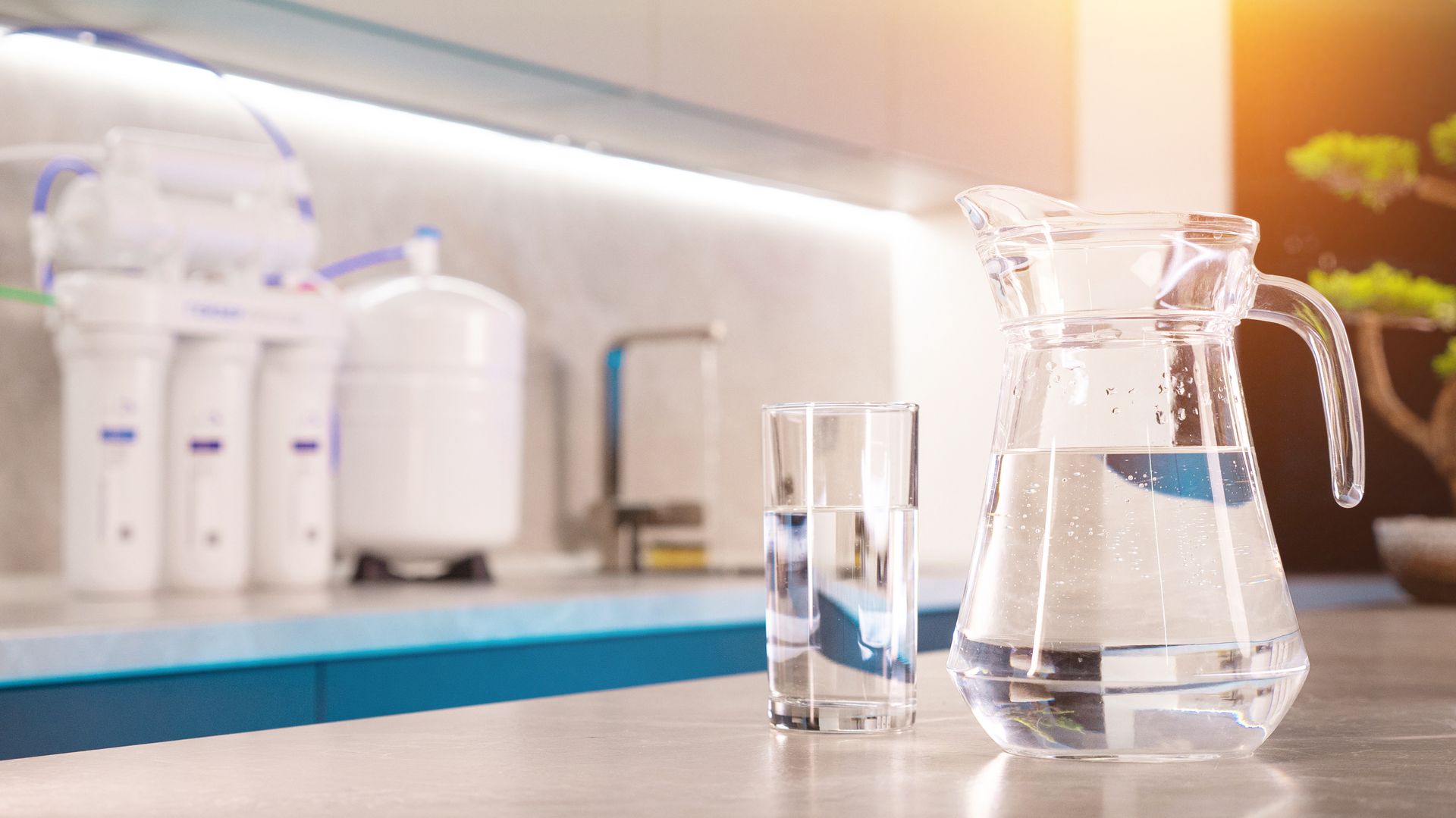
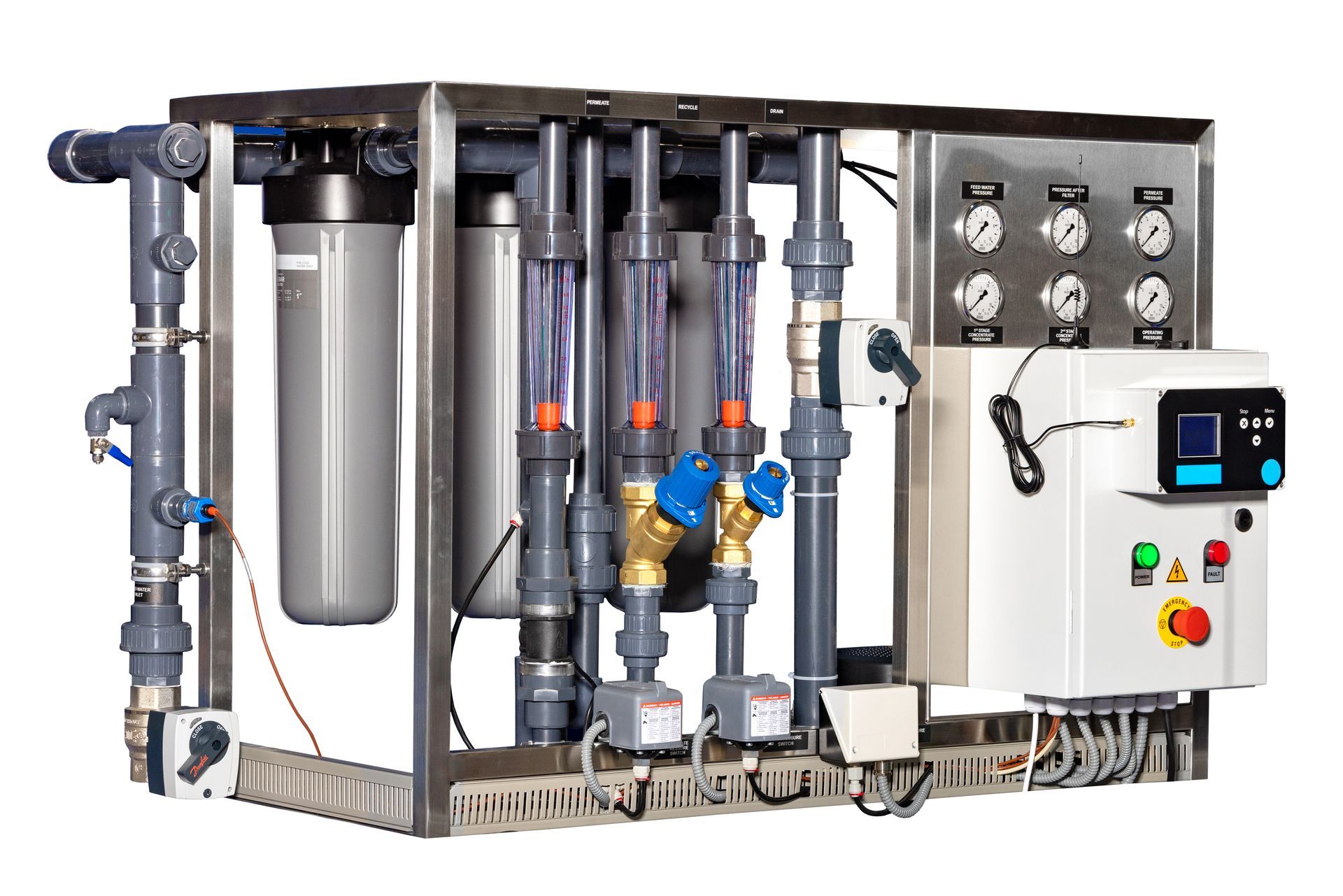
Water filtration targets a broader range of contaminants including chlorine, iron, nitrates, PFAS, lead, and sediment. A reverse osmosis system uses multiple filter stages to address many of these concerns at once. Depending on your specific results, you may benefit from softening, filtration, or a combination of both.
Should I Get My Water Tested?
Yes. City-wide data covers broad averages, but your neighborhood plumbing, pipe age, and well depth can all shift your results. A professional water test identifies hardness levels, iron content, nitrate concentration, chlorine byproducts, and lead so that any water treatment in Cedar Rapids, IA, solution fits your actual needs. Contact McAleer Water Conditioning online to request a free water consultation.
What System Removes the Most Contaminants?
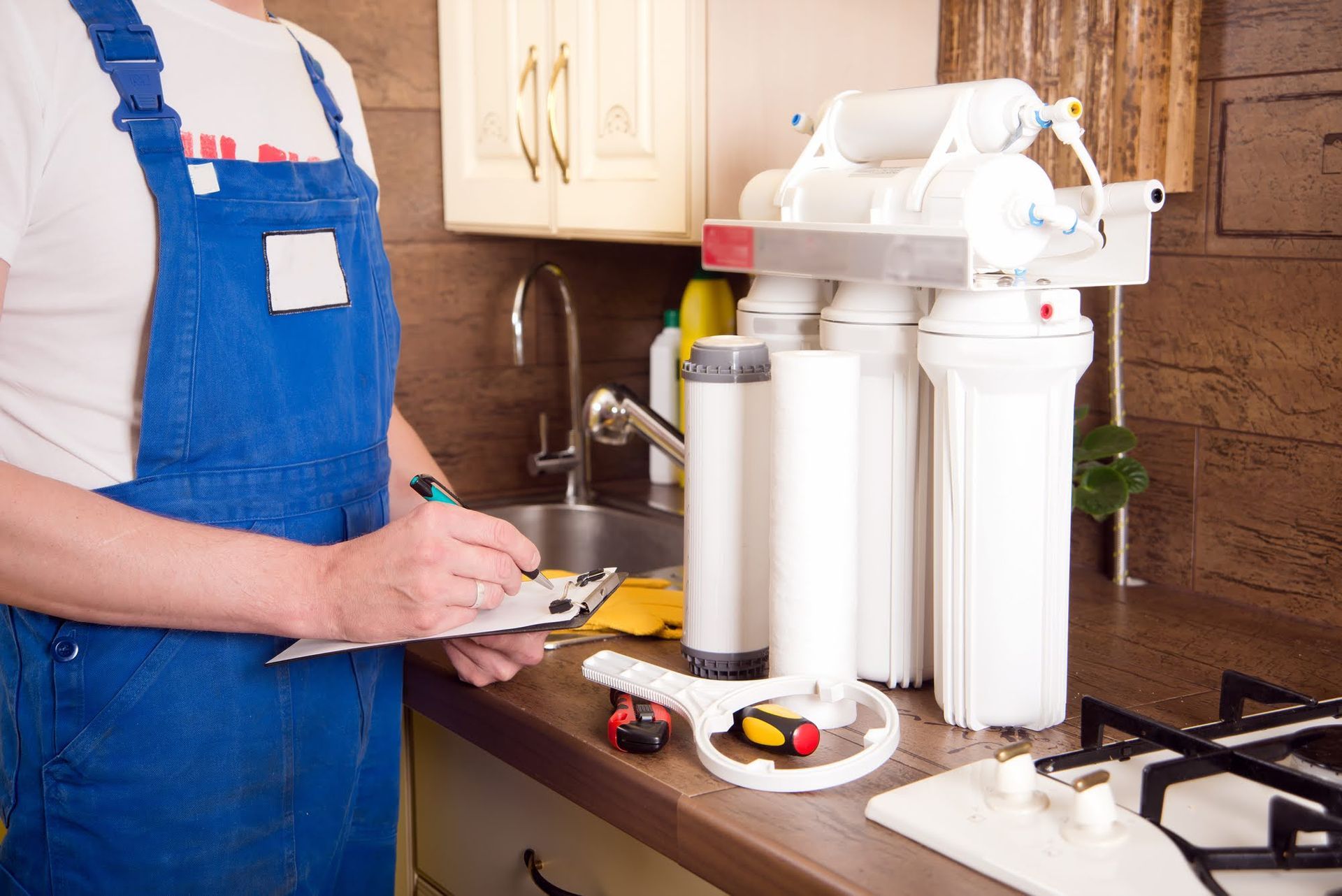
A reverse osmosis system can remove lead, chlorine, fluoride, nitrates, sediment, and dissolved solids. For households concerned about PFAS, an NSF-certified reverse osmosis or carbon block system may offer meaningful reduction. For broad-spectrum protection, many homeowners combine a whole-home softener with a point-of-use drinking water system.
How Do I Know if My Water Is Hard?
Common signs include white or chalky buildup on faucets and showerheads, spots on glassware after washing, reduced lather from soap and shampoo, and stiff laundry. A water hardness test confirms the grains-per-gallon measurement and helps size the right softener for your home.
Get Cleaner Water Serving Cedar Rapids, IA
Water treatment in Cedar Rapids, IA, does not have to be complicated. McAleer Water Conditioning has been serving Eastern Iowa since 1976, offering water softeners, iron filtration, reverse osmosis drinking systems, and UV treatment for residential and commercial properties.
Call
(319) 373-6965 to schedule a water test or ask about available treatment options in Cedar Rapids, IA.