Why is My Water Pressure Low?
Installing a water treatment system is a smart step toward cleaner, safer water, but unexpected changes in water pressure can raise concerns. Understanding why this happens and how to address it helps homeowners protect both their plumbing system and daily comfort without compromising water quality.
Installing a treatment solution can improve water quality, but some homeowners notice a drop in pressure afterward. This is a common concern, especially after adding a water treatment system where mineral content and system design both play a role. Understanding the cause is the first step toward restoring proper flow.
How Water Treatment Systems Affect Pressure
Not all pressure changes signal a problem. Some systems naturally create a slight reduction in flow as part of their design.
Here’s how different systems impact water pressure:
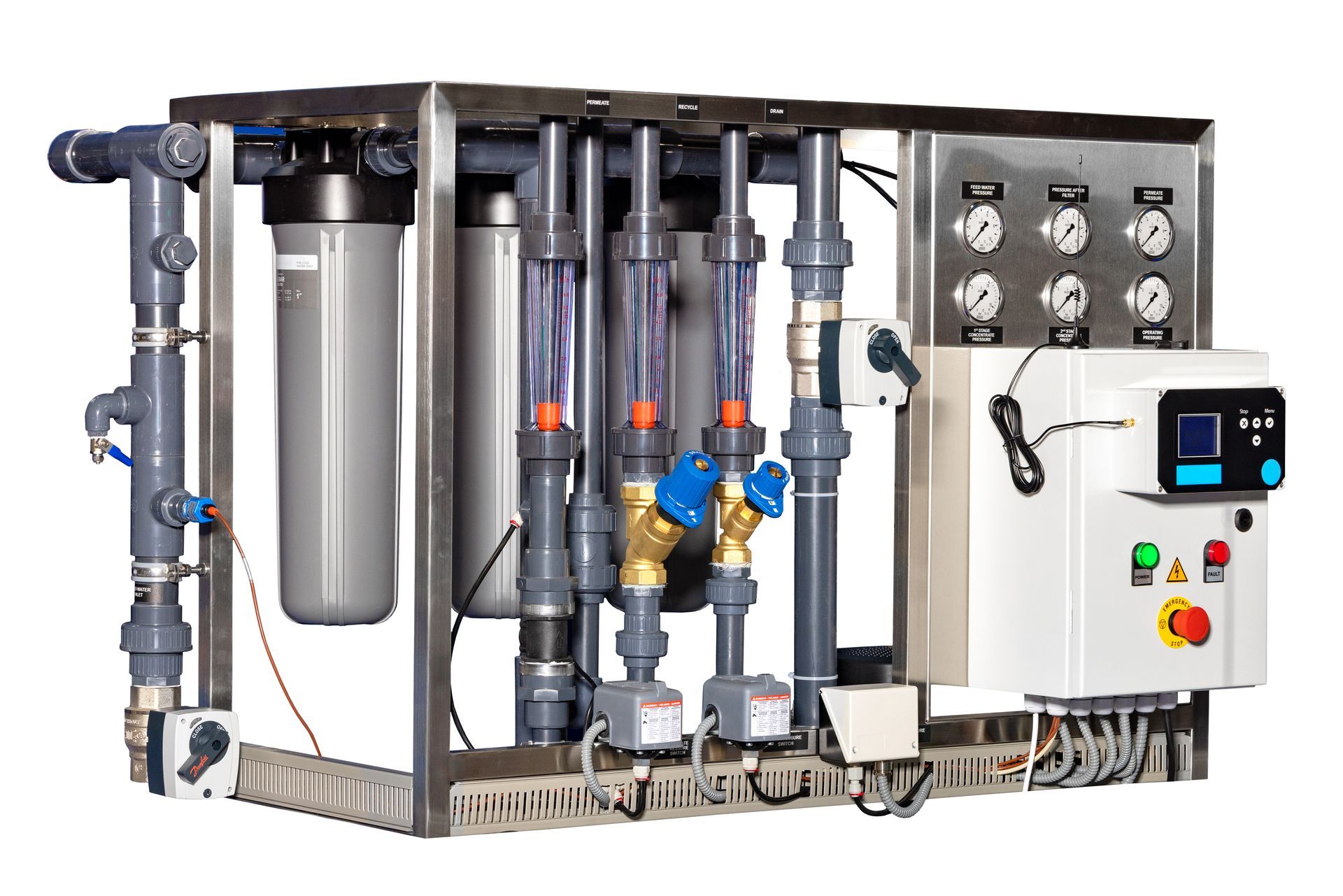
Reverse Osmosis Systems
Reverse osmosis systems filter water through a membrane, which can slow down the flow. This often results in lower pressure at specific faucets rather than throughout the entire home.
Water Softeners
Softening systems typically have minimal impact on pressure, but buildup or improper settings can create restrictions.
Filtration Units
Whole-house filters may reduce pressure if they are undersized or clogged with sediment.
A slight drop is normal, but a significant change may require inspection. Many homeowners using a water treatment system in Monticello, IA, experience improved performance after simple adjustments.
Pressure Drop Vs. System Fault
It’s important to distinguish between a normal pressure drop and a system malfunction.
Key differences include the following:
Normal Pressure Drop
A small reduction in flow, especially at certain outlets, is expected with many treatment systems.
System Fault
A sudden or severe drop in pressure often indicates blockage, incorrect installation, or equipment failure.
Inconsistent Pressure
Fluctuating pressure can signal issues with valves, filters, or system settings.
Recognizing these differences helps homeowners determine whether they need maintenance or repairs for their water treatment system.
How to Diagnose Low Water Pressure at Home
Before calling a professional, homeowners can perform a few basic checks to identify the source of the issue.
Simple diagnostic steps include:
Check Multiple Fixtures
If only one faucet has low pressure, the issue may be localized rather than system-wide.
Inspect Filters
Clogged filters are one of the most common causes of reduced flow.
Review System Settings
Incorrect settings can restrict water flow more than necessary.
Look for leaks
Hidden leaks can reduce pressure throughout the home.
Test Bypass Mode
Switching the system to bypass can help determine whether the treatment unit is the cause.
These steps often reveal whether the issue is related to the system or another part of the plumbing.
Solutions to Restore Water Pressure
Restoring water pressure doesn’t always require major repairs. In many cases, simple adjustments or routine maintenance can make a noticeable difference. Identifying the right solution depends on the cause, but with the proper approach, homeowners can improve flow while maintaining the benefits of their water treatment system.
Once the cause is identified, there are several ways to improve water pressure without sacrificing water quality.
Effective solutions include:
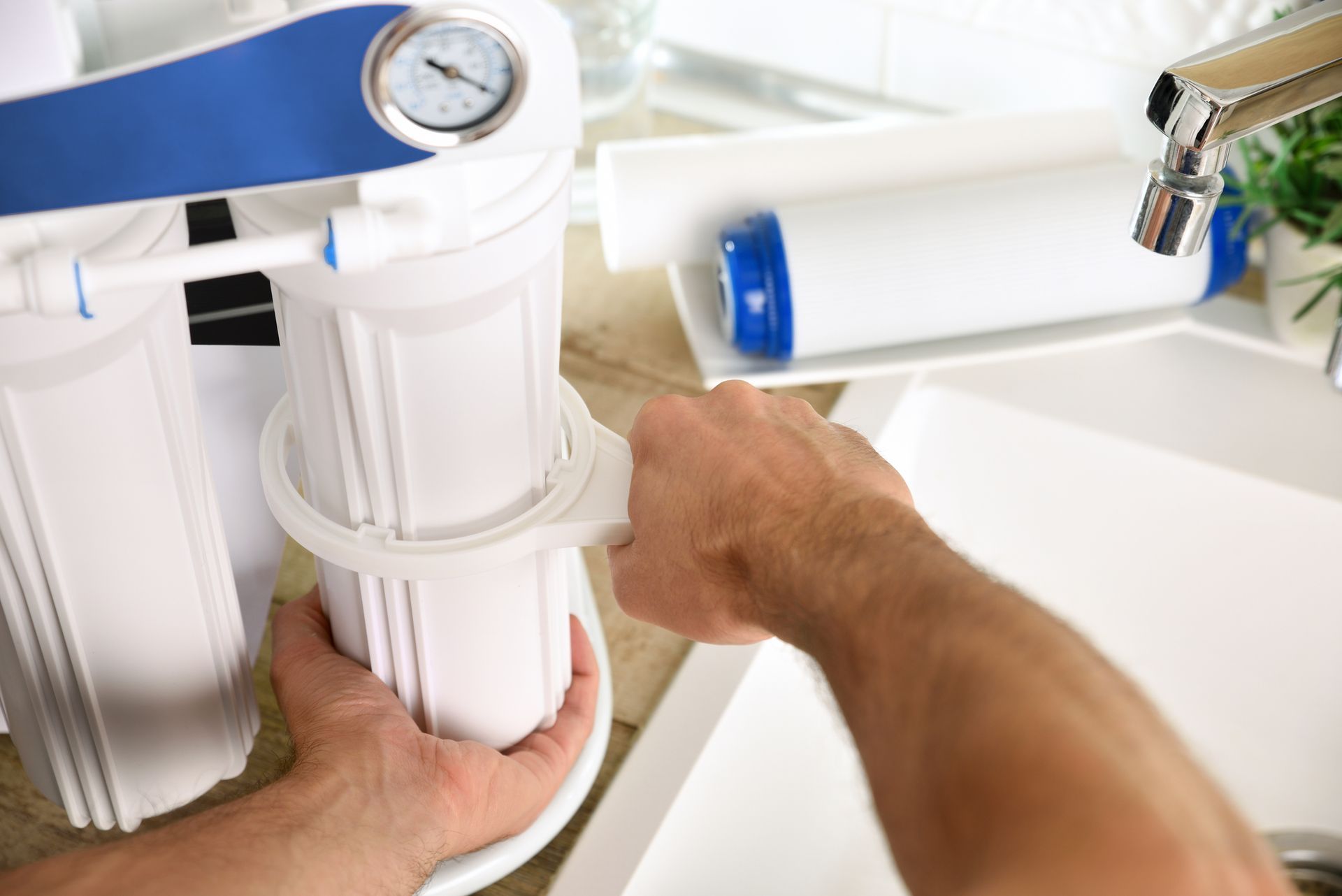
Replace or Clean Filters
Regular maintenance prevents buildup that restricts flow.
Upgrade System Size
An undersized unit may struggle to meet household demand.
Install A Booster Pump
A pump can increase pressure for homes with naturally low supply.
Adjust System Settings
Fine-tuning settings can balance filtration and flow.
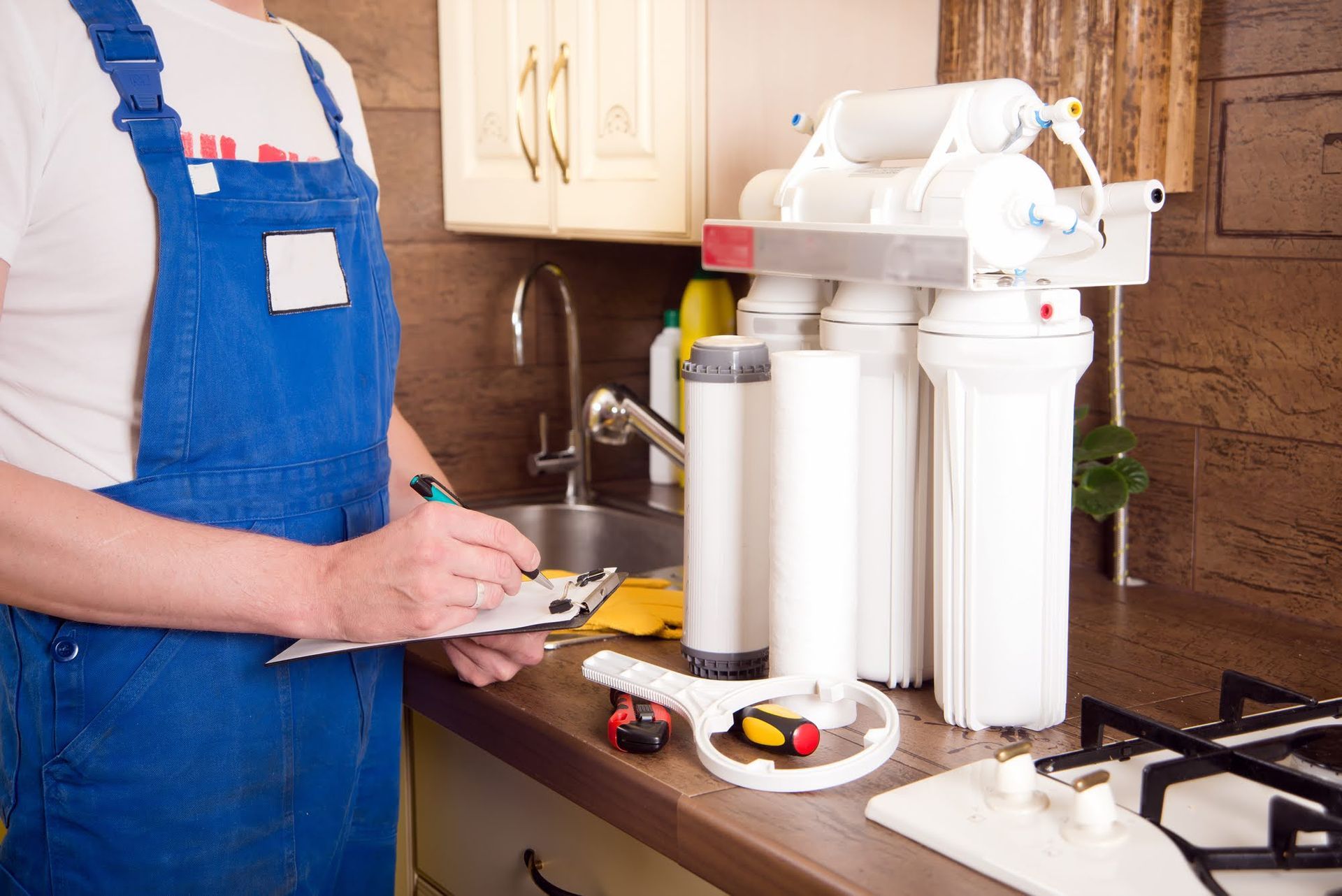
Schedule Professional Service
An expert can evaluate the system and recommend targeted solutions.
Many homeowners find that optimizing their water treatment system in Monticello, IA, restores both pressure and performance.
What to Ask Before Installing a Water Treatment System
Preventing pressure issues starts before installation. Asking the right questions ensures the system is properly matched to the home.
Important topics to discuss include:
System Capacity
Is the unit sized correctly for the household’s water usage?
Pressure Impact
What level of pressure change should be expected?
Maintenance Requirements
How often will filters need to be replaced or serviced?
Installation Quality
Will the system be installed to maximize efficiency and flow?
Upgrade Options
Are there add-ons available to maintain strong water pressure?
Clear communication with the installer helps avoid unexpected issues and ensures long-term satisfaction.
Why Professional Installation Matters
Proper installation plays a major role in system performance. Even high-quality equipment can cause problems if not installed correctly.
Benefits of professional installation include:
Accurate System Sizing
Ensures the system meets the home’s water demand.
Correct Configuration
Prevents unnecessary pressure restrictions.
Reliable Performance
Reduces the risk of future issues and costly repairs.
Ongoing Support
Provides access to maintenance and troubleshooting services.
A well-installed water treatment system in Monticello, IA, delivers both clean water and consistent pressure when handled by experienced professionals.
Take Control of Your Water Pressure Today
McAleer Water Conditioning provides expert solutions for any water treatment system, helping homeowners restore proper water pressure without compromising quality. From system upgrades to professional diagnostics, their team delivers reliable results tailored to each home. Call
(319) 462-4497 today to
request a consultation
and get your water system performing at its best.